










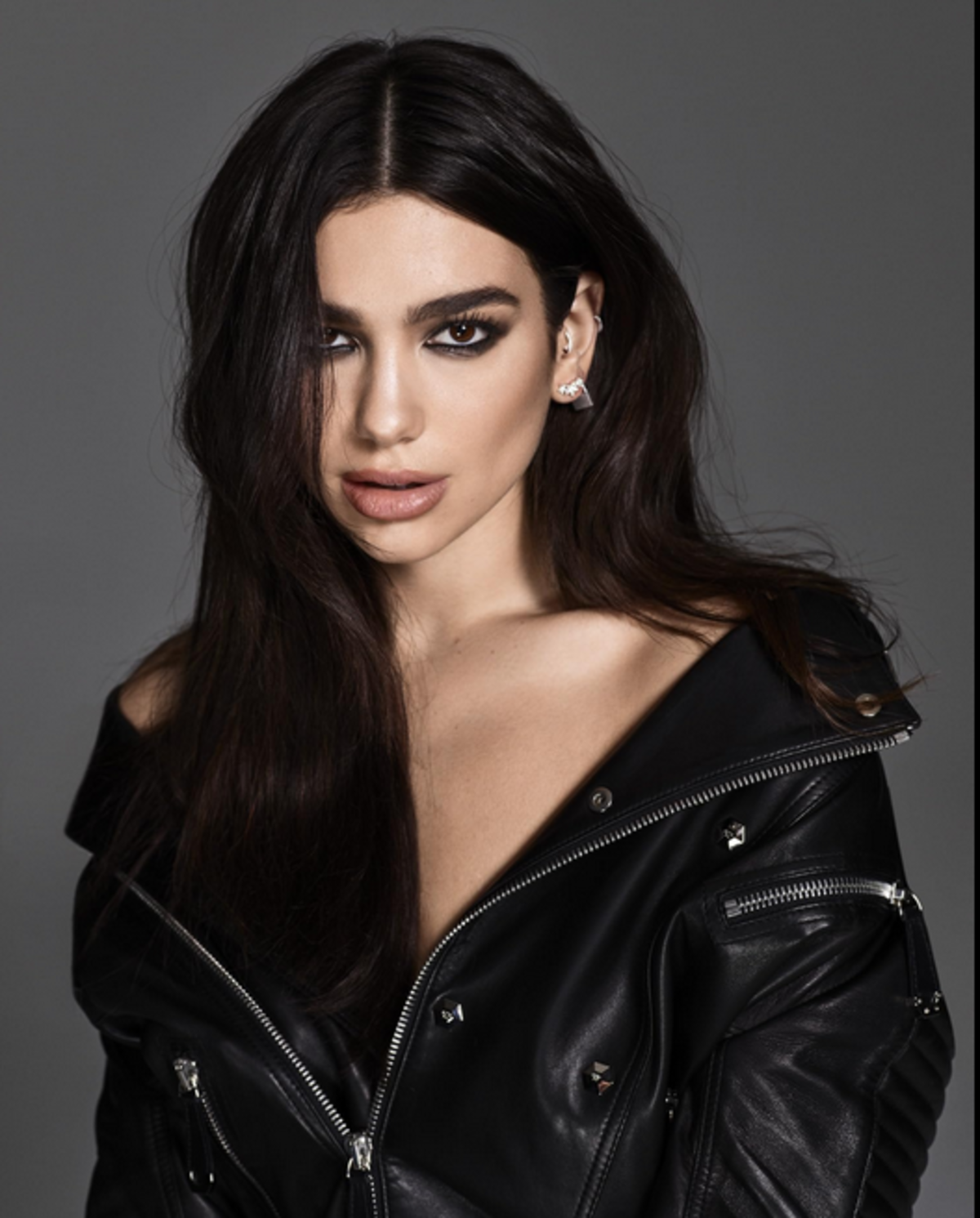
By bringing her new Manifesto Library to the BABELL international book festival at the iconic Livraria Lello in Porto, Portugal, Dua Lipa and her Service95 cultural platform are taking a bold stand against global censorship, spotlighting historically challenged texts to fiercely protect the freedom to read banned books
When global pop icon Dua Lipa recommends a book, it frequently climbs the bestseller lists. But through her cultural platform, Service95, the Grammy-winning singer has taken her literary influence a step further by actively championing the freedom to read. Recognising the sharp rise in book censorship worldwide, Lipa has utilised her platform to spotlight a curated selection of ‘banned books’, titles that have been challenged, restricted, or outright removed from schools and libraries.
Dua Lipa officially launched the Manifesto Library on Saturday (June 27). The library opened its doors in Porto, Portugal, at the historic Livraria Lello bookshop (often cited as one of the most beautiful bookstores in the world) as part of the BABELL international book festival. “When I founded the Service95 Book Club, my ambition was for it to become a home for writers and readers, wherever they are and whatever their circumstances,” Lipa noted, framing the initiative as a direct defence against literary censorship.
This effort arrives at a critical moment. Across the United States and globally, book challenges have surged to historic highs. The vast majority of these targeted titles explore themes of race, gender identity, sexuality, history, and religion. Driven by complaints from advocacy groups and parental committees, these challenges often result in temporary restrictions or permanent removals. By shifting her massive cultural spotlight toward these embattled texts, Dua Lipa is turning a global book club into a powerful counter-movement against censorship.
Also read: How Curry Barker’s Obsession finds its real victim in the girl trapped inside a lonely boy’s wish
In introducing the project, Dua Lipa emphasized how deeply books expand our horizons and foster empathy. For her, reading offers an intimate look into the lives of others—a window that slams shut when certain stories are kept intentionally out of reach. The collection spans both modern classics and celebrated contemporary novels, including Toni Morrison’s The Bluest Eye and Beloved, Margaret Atwood’s The Handmaid’s Tale, Khaled Hosseini’s The Kite Runner, and Alice Walker’s The Color Purple. It also highlights frequently targeted recent works like Maia Kobabe’s Gender Queer and George M. Johnson’s All Boys Aren’t Blue, alongside twentieth-century staples like George Orwell's 1984, Aldous Huxley's Brave New World, and J.D. Salinger's The Catcher in the Rye.
This initiative goes far beyond superficial celebrity branding; it aligns directly with Service95’s editorial mission to champion global culture. To support the collection, the platform regularly publishes essays, reading guides, and author interviews. This contextual framing is deliberate, designed to guide audiences toward thoughtful reflection rather than reactionary outrage.
The library also serves as a vital gateway for younger readers whose school bookshelves may have already been cleared.
The library also serves as a vital gateway for younger readers whose school bookshelves may have already been cleared.
Also read: From Fatma Begum to Gen Z filmmakers: How women have changed Hindi cinema in the last 100 years
History shows that censorship rarely suffocates great literature; if anything, it amplifies it. 1984, The Handmaid’s Tale, and Beloved have all faced standard suppression tactics over the decades, yet each remains a global bestseller that continues to shape public discourse on power, identity, and human rights.

Several authors featured in the collection have long maintained that uncomfortable stories are necessary because they mirror uncomfortable realities. Banishing a book does not dissolve the real-world issue it addresses. When unveiling the physical space, Lipa described the project as “a shrine to books that have disappeared, to authors whose courage unmasks structures of power and control, and to readers who refuse to be told what book they are allowed to read.”
Naturally, the conversation around book restrictions is highly polarised. Proponents of these challenges argue that schools and libraries have a responsibility to vet material for age-appropriateness, shielding younger minds from mature content. Conversely, free-expression advocates point out that these bans disproportionately target women, writers of colour, and LGBTQ+ authors, ultimately robbing students of diverse perspectives and a complete understanding of society.
Dua Lipa’s Manifesto Library won’t settle this cultural tug-of-war, nor does it try to. Instead, it invites people to participate simply by reading. By turning her personal passion into a public defence of intellectual freedom, Lipa’s message remains straightforward: books are meant to provoke questions, challenge long-held beliefs, and broaden perspectives,not be hidden away the moment they make someone uncomfortable.
More from The Byword





Comments
*Comments will be moderated