








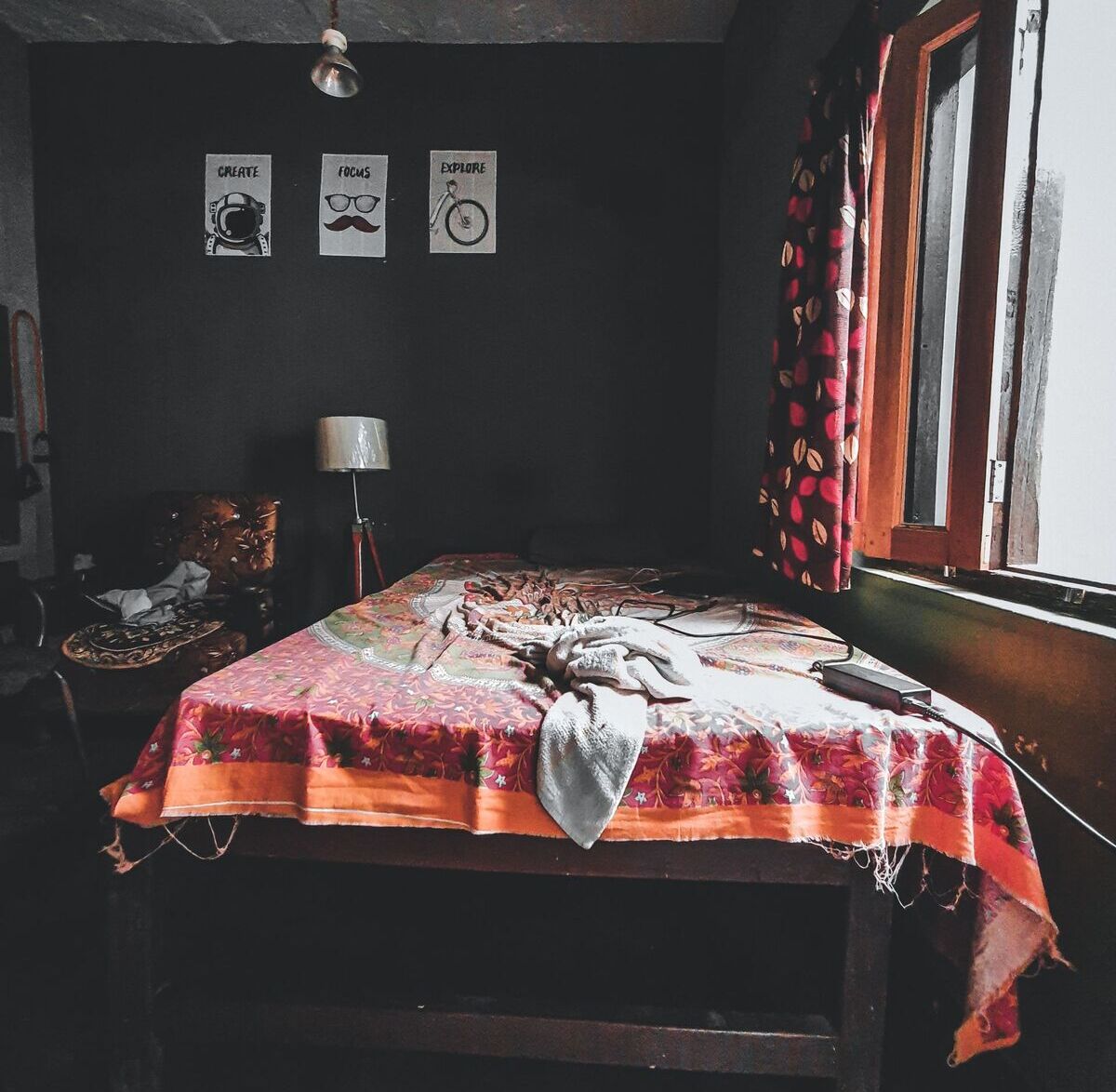

Behind the small beds, shared cupboards and late-night silences of student hostels lie larger stories of class, gender, aspiration, loneliness and the unequal freedoms that shape young lives
It is never a simple choice to leave the familiar and trust yourself to the unknown. The hostel room may be small, but the story inside it is enormous, made of courage, of choosing growth over comfort, and of becoming someone you could not have become had you stayed. It carries the grief of the last dinner where everyone sat together without quite knowing it would be the last one for a while.
It carries the anxiety of the mother, who kept asking, “Did you pack enough warm clothes?” be-cause that was easier than saying, “I will miss you wildly.” It carries the concern of the father, who carried the bag downstairs even though it had wheels, simply to give his hands something to do. At its centre is the child — no matter how old we grow, we remain someone’s child — leaving home, who sat by the window of a train or bus, watching their town recede into the distance, feeling the strange rush of excitement and fear that no one had thought to prepare them for.
The movies usually show the exciting moment when someone reaches a new city or hostel, but they rarely show the emotional build-up before leaving home. And then comes the room. Four walls that smell of strangers. A mattress that does not yet remember your shape. A lock whose key you check twice, three times, because everything feels uncertain. You eat alone, and you learn that hunger is easier to manage than loneliness. But here is what also happens: you figure things out. You learn that you are capable of more than comfort ever allowed you to know.
Also read: The sunset of a million hues: An opacarophile’s discovery of the waterways of the Sundarbans
You make a friend over shared frustration with cold water. You call home and realise that your parents sound proud even when they are worried. You start to know yourself, not the version shaped by familiarity, but the one that exists without a safety net. Hostel students learn resilience in the most ordinary ways: by coping with loneliness, taking responsibility, and growing in the absence of daily family support. The old adage — “Times change; individuals transform” — finds one of its truest meanings in hostel life.
Many such thoughts and realisations stayed with me after I joined Jammu & Kashmir Girls Hos-tel in Okhla, southeast Delhi, two years ago. Hostel life was no longer an idea for me; it became something I was living every day. The city’s noise, the metro’s rumble, the smell of dhabas and diesel all became part of that education. This essay draws on those reflections and observations, offering a firsthand perspective on the social and emotional realities of hostel life. But a hostel room is not just a personal story. It is a political one. What you own, where you come from, what gender you are, all of it determines what your hostel life will look and feel like.
Hostel accommodation creates friendships in unexpected ways. Students begin by sharing rooms, meals and routines; slowly, they also begin to share worries, secrets, ambitions and ways of seeing the world. The lounge, the reading room, and the mess are more than just spaces. They are where strangers gradually become family.
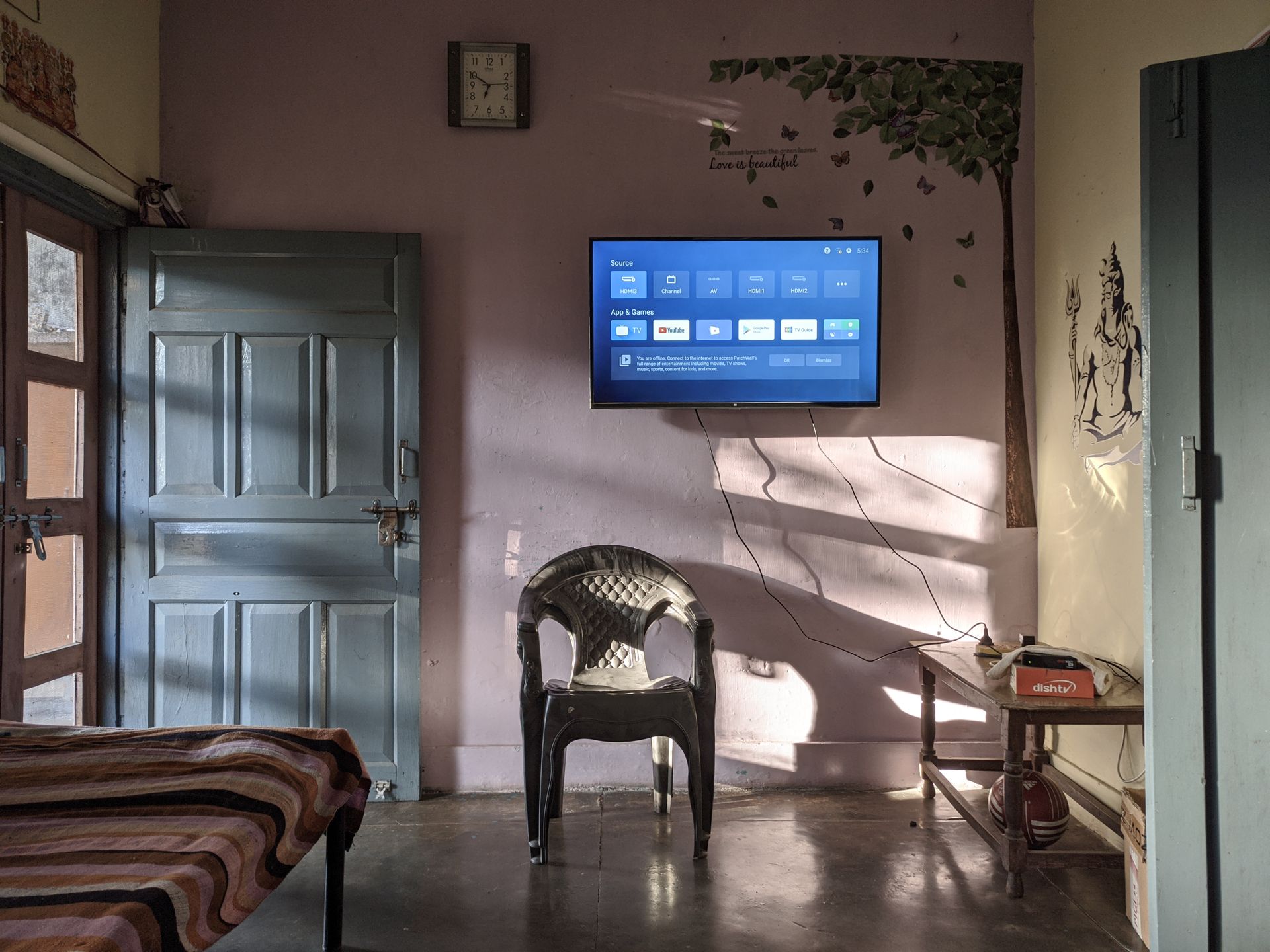
One of the most noticeable features of living in a hostel is how clearly class differences appear among students.
Hostel life strips you down and builds you back stronger. You manage money, handle illness alone, adjust to different people, different habits, and different silences. Nobody teaches you these things. You simply live them. Yes, there’s homesickness. There’s friction. There are days when the smallest thing — a delayed phone call, a fight over noise, food that tastes nothing like home — can undo you. But slowly, something changes. You stop waiting for someone to figure things out for you. You become the person who does. That’s what a hostel gives you: yourself.
This new environment also shapes students’ perspectives on religion, identity and difference. Conflicts are common in hostels due to proximity and diverse habits; understanding and toler-ance become necessary, not as virtues, but as everyday habits. A hostel teaches you that peace is made every day through small adjustments, difficult conversations, shared rules, and the willing-ness to let others be themselves.
One of the most noticeable features of living in a hostel is how clearly class differences appear among students. Some students arrive with laptops, expensive devices and branded belongings, while others must carefully manage very limited resources. The belongings that students bring into their hostel rooms frequently expose social inequalities, even when the rooms are meant to be equal.
Some students arrive with laptops, expensive devices and branded belongings, while others must carefully manage very limited resources. Others have little money and find it difficult to pay for basic necessities. The belongings that students bring into their hostel rooms frequently expose social inequalities, even when the rooms are meant to be equal.
Students who are richer and have contacts are more likely to build connections with office staff, caretakers and others in positions of small but real authority. I understood the meaning of “super senior” last year, when room reshuffling took place in my hostel. One of my batchmates was al-lotted a room with a PhD scholar who was very rich and had strong connections with members of the hostel office. Using that influence, she managed to get my batchmate removed from the room. Such incidents make one wonder how often money and contacts allow some students to bend hostel rules, even in matters like room allotment or admission, where eligibility should mat-ter most.
Gender also has a major effect on students' experiences in hostels. Girls who live in hostels learn to live closely with other young women, often in ways that make them more self-reliant, alert and independent. I observed that girls are often more guarded about their personal space and belong-ings; they tend to keep their personal products to themselves, unlike boys, who are often more casual about sharing things and entering their batchmates’ rooms without permission. Girls are also often more conscious about cleanliness, privacy and food; many learn to cook for themselves when they do not like the food served in the mess.
At the same time, girls’ hostels are not free from discrimination. I have witnessed instances where students from weaker economic backgrounds felt excluded or judged because they could not match the “living or beauty standards” of their roommates. I have also seen discrimination based on regional divisions between students from different parts of India, including North Indians, South Indians, and Kashmiri students.
Women’s hostels are subject to stricter visitor rules, food restrictions, and curfews, while boys’ hostels have more freedom, with boys allowed to walk on campus after 10 p.m. These differ-ences reflect broader social assumptions about women’s mobility, safety, control and gender roles. The curfew is not just a rule. It is a daily reminder of who the institution trusts and who it does not.
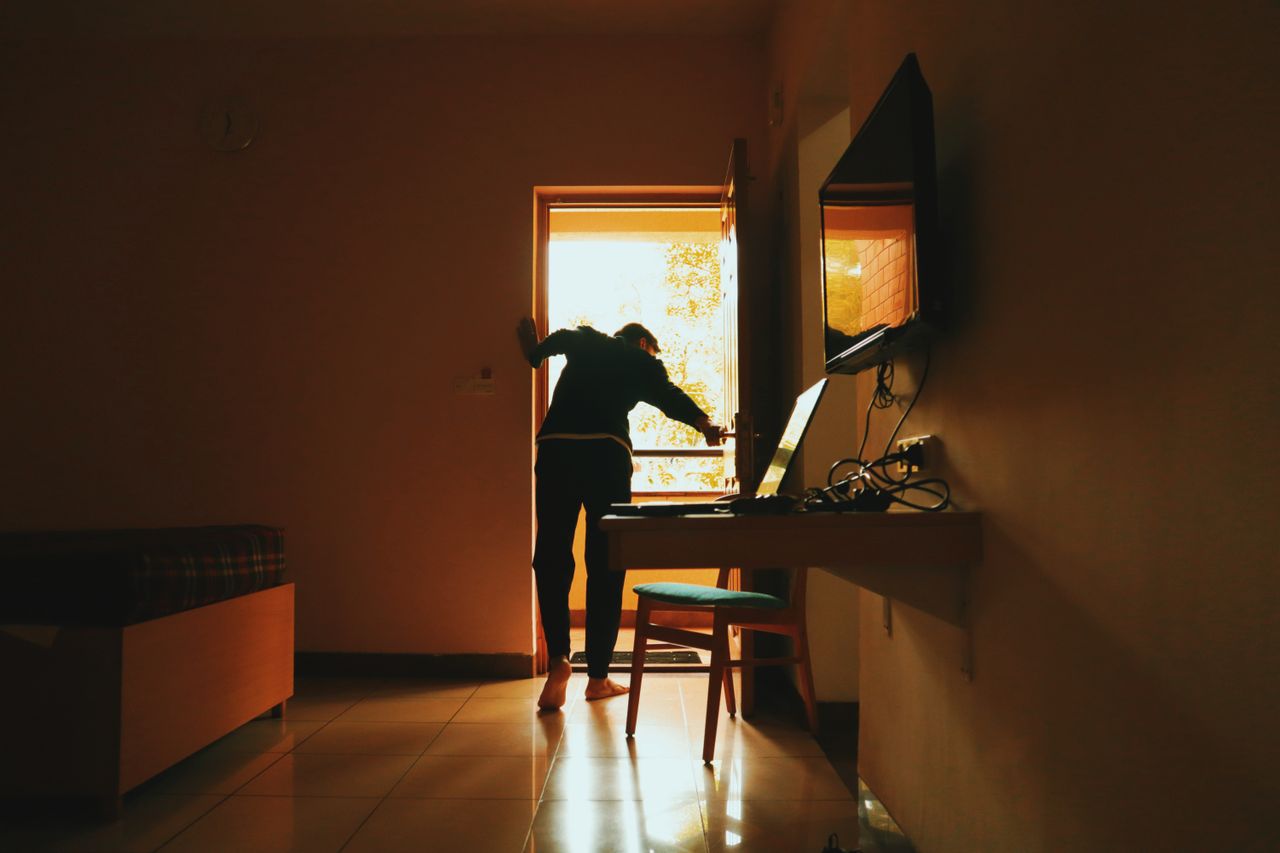
Hostel rooms are where dreams are forged, and futures are imagined.
As a student of Jamia Millia Islamia, I’m aware of how hostel spaces are shaped by questions of gender and freedom. Although I wasn’t a student during the 2015 ‘Pinjra Tod movement’, its legacy continues to shape discussions around women’s mobility, hostel regulations, and equal access to public spaces on university campuses. At Jamia, a notice restricting women students’ ability to seek permission to stay out after 8 p.m. became part of a larger debate about unequal hostel rules. Female students saw this as an opportunity to influence not just Jamia but other Del-hi universities as well.
Women in hostels can also be more vulnerable to anxiety, isolation and psychological stress, especially when restrictions are combined with homesickness, academic pressure and social judgement. This is why hostel life should not be seen only as accommodation. It is also a space where freedom, care, mental health, equality and dignity must be taken seriously.
Hostel rooms are where dreams are forged, and futures are imagined. Surrounded by posters, textbooks, shared desks, photos of role models and the small objects that make a room feel per-sonal, students begin to build their professional and personal identities. These small quarters be-come places where futures are slowly nurtured.
In India, hostel spaces are also shaped by caste, region and language. Sometimes students from the same region or caste group cluster together, turning rooms and corridors into informal net-works of support, influence and social capital. These networks can help students feel less alone, but they can also create divisions and hierarchies within hostel life.
Students are surrounded by other students of roughly the same age, but each one carries different qualities, experiences and ideas. They share personal beliefs, study habits, ambitions and doubts, and in that exchange, they often become more ambitious and self-reliant. One gets an environ-ment where competitors, friends and companions live under the same roof. At times, this can be motivating; at other times, it can feel intrusive, especially when batchmates keep watching your study routine, your marks, your goals or your choices.
In these small spaces, students spend long hours studying, planning careers, and imagining dif-ferent futures. For those from rural areas or disadvantaged backgrounds, a hostel room represents independence, opportunity, and the possibility of transforming their lives. Even dreams in a hos-tel are not equal. A student with money can afford to fail, try again, change courses. A student without it cannot.
Living in a hostel also provides many opportunities, from events and competitions to conversa-tions with seniors and peers, which build confidence and exposure. Still, comparison is a constant presence. When someone else seems to be doing better, it can either inspire you or quietly demo-tivate you. Yet hostel life gives students the freedom to learn through experience, mistakes, friendships, failures and the guidance of seniors.
The early weeks of hostel life can be somewhat overwhelming. Homesickness is rarely just sadness. For some students, it remains a dull ache; for others, it becomes a genuine emotional weight that touches everything: sleep, appetite, academic focus, self-confidence. What makes it harder is the simultaneous loss of support. At home, the family absorbs the difficult days without being asked. In a hostel, you have to name your need before anyone can respond to it. The student who cannot afford to go home during holidays, who sits in an empty corridor while others leave their loneliness, is not just emotional. It is structural.
Students with low self-esteem often begin to see themselves as less capable, less deserving or less valuable than others. In some cases, students may turn to alcohol, drugs or other harmful forms of escape to numb negative feelings. Depression and anxiety can grow out of this mix of isolation, low confidence, social comparison and the strain of moving to a new place.
I remember a senior in M.A. English who left her course after the death of her cat. To someone outside, this may seem small; to her, it was a real grief, and it broke the fragile balance she was trying to maintain. Such moments remind us that hostel students carry private sorrows that are not always visible.
When you’re unwell at midnight, far from home, it’s not a policy that comforts you; it’s a person. Hostel staff who genuinely care for students carry more weight than their job titles suggest. There should be regular counselling sessions, mental-health workshops and safe spaces for conversation for students who are facing problems in their lives.
Hostel life is never just one story. It is class, gender, longing, ambition, and courage all compressed into a small room. It strips you, shapes you, and ultimately returns you to yourself, altered in ways no classroom could manage. The room was small. What it built was not.






Comments
*Comments will be moderated