








With sharper cameras, brighter screens and Gemini woven into almost everything, Google’s new Pixel family is smart, but the standard Pixel 11 makes the strongest case for itself.

Google’s new Pixel family brings better cameras, brighter screens and Gemini at every turn. The phones are clever, occasionally delightful and unmistakably expensive, but the standard Pixel 11 may be all the Pixel most people need
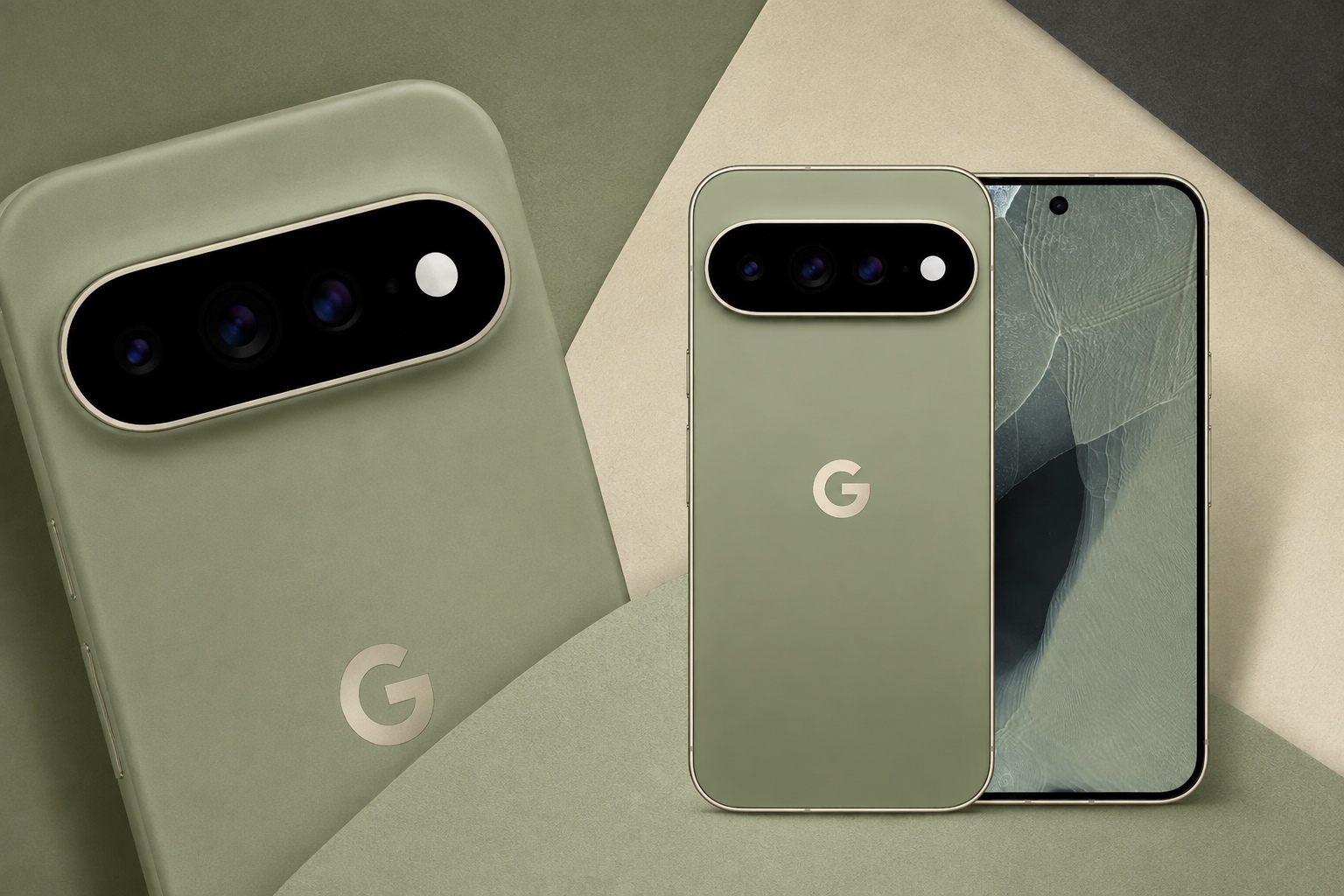
The Pixel 11 arrives looking very much like a Pixel. Google has not torn up its own design book, and that is probably wise. The camera bar remains, though it is slimmer. The polished frame and matte glass back feel properly premium, while colours such as Pistachio, Hibiscus, Frost and Obsidian give the standard phone a little personality. The Pro models come in Canyon, Fog, Olive and matte Obsidian. Olive is the one I would pick: calm, handsome and unlikely to make you regret your decision six months later.
There are four phones in the family. The Pixel 11 starts at Rs 89,999, the Pixel 11 Pro at Rs 1,19,999, the Pro XL at Rs 1,34,999 and the Pixel 11 Pro Fold at Rs 1,86,999. That is a broad family portrait, moving from expensive to “perhaps sit down before checking your bank balance”. The regular Pixel 11 and the Pro both have compact 6.3-inch screens; the Pro XL stretches to 6.8 inches, while the Fold opens into an 8-inch display. All four run Android 17 on Google’s new Tensor G6 processor. Google says the chip offers up to 50 per cent more computing power, with much of it directed at AI rather than winning bragging contests on benchmark charts.
That tells you what these phones are really about. The Pixel 11 series is not being sold merely as a collection of better handsets. Google wants the phone to be like a personal assistant that has read your email, knows your calendar, understands what is on your screen and can help you act on it. Gemini is tucked into almost everything. It can draw information from different apps, help with everyday tasks and respond with a growing sense of context. Useful? Certainly. Slightly nosy? Also certainly. The real question is how comfortable you are giving your phone enough access to become this helpful.
Some of the new ideas are genuinely practical. Rambler improves voice typing, removes those stray “ums” and “ahs”, and can cope with more than one language during the same stretch of speech. For anyone who dictates messages, interview notes or hurried copy on the move, this could become far more useful than the grander AI tricks Google likes to demonstrate on stage. Magic Capture, meanwhile, records photographs and video together and then picks out moments worth keeping. Point it at a child, a dancer, a dog or anything else unlikely to wait politely for the shutter, and it may save the frame you would otherwise have missed. It is clever, though its judgement is not infallible. Sometimes artificial intelligence, like an overconfident photographer, chooses the wrong moment.
The cameras remain the strongest reason to buy a Pixel. Even the standard Pixel 11 now gets three rear cameras: a 48-megapixel main camera, a 13-megapixel ultra-wide and a 10.8-megapixel 5x telephoto. That last addition is important. A proper telephoto camera is no longer being held hostage by the Pro badge. The Pro and Pro XL go considerably further with a 50-megapixel main camera, 48-megapixel ultra-wide and 48-megapixel 5x telephoto, along with a 42-megapixel front camera and up to 120x Pro Res Zoom. Pixel photographs have long been less about inflated numbers and more about reliable colour, quick processing and getting a usable picture in difficult light. That remains their appeal.
Google has also added Camera Looks, allowing you to choose and adjust colour styles before shooting. I am usually suspicious of phones that try too hard to turn every evening into a glossy travel advertisement. The Natural setting is likely to be the sensible choice, though the more dramatic profiles will suit people who would rather not spend time editing later. Magic Capture adds another layer of automation, but the good news is that the basic Pixel habit —take out the phone, tap once, get a good photograph — has not disappeared beneath the AI.
The screens are brighter across the range. The Pixel 11 has a 6.3-inch Actua OLED display with a refresh rate of up to 120Hz, while the Pro’s LTPO panel can move between 1Hz and 120Hz to conserve power. The Pro XL offers the same smoother technology on its larger 6.8-inch display. Peak brightness rises to 3,600 nits on the Pro phones, which should make them easier to use in hard afternoon sunlight. The standard Pixel 11 peaks at 3,000 nits, hardly a dim proposition.
The Pro models also have HiLight, a coloured LED built around the rear flash. Place the phone face down and it can glow for calls from selected contacts or signal when Gemini is listening and responding. It is a pleasant idea trapped inside a strangely narrow first version. At launch, HiLight cannot act as a full notification light for all your apps, messages or battery status. That makes it feel less like a finished feature and more like Google has installed a small lamp and is still deciding what to do with it. A future update could make it far more useful.
Battery capacity varies slightly: 4,985mAh on the Pixel 11, 4,840mAh on the Pro and 5,115mAh on the Pro XL. The regular phone having a larger battery than the compact Pro is one of those amusing specification-sheet facts that makes the cheaper model look even more sensible. Pixelsnap brings built-in magnetic support for compatible chargers, stands and accessories. Charging is improved, but this is still not the place to look if your idea of excitement is watching a phone race from empty to full before your tea is ready.
The Fold is the most striking and the hardest to recommend without conditions. Its 6.5-inch cover screen opens into a bright 8-inch inner display, while its weight has dropped to 239g. It is tougher, lighter and better suited to running several apps together. Its new 48-megapixel main camera is a welcome improvement, and Google’s clean foldable software remains among its best qualities. But it still feels thick beside slimmer rivals, its 4,806mAh battery is smaller than last year’s, and its telephoto and ultra-wide cameras cannot match those on the regular Pro phones. At Rs 1,86,999, “quite good” is not an especially persuasive verdict.
For most buyers, the Pixel 11 is the easy choice. It has the Tensor G6, Android 17, the central Gemini features, a 120Hz OLED screen, a 5x telephoto camera, magnetic charging and seven years of operating-system and security updates. The Pixel 11 Pro makes sense for serious phone photographers who want the much better ultra-wide, selfie and zoom systems without carrying a large phone. The Pro XL is for people who want those cameras with the biggest conventional screen and battery. The Fold is for committed foldable enthusiasts with forgiving pockets in both senses.
Google is offering card cashback, exchange benefits and no-cost EMI deals during the launch period, which reduce the prices without making them modest. The official Google Store lists cashback of up to Rs 10,000 and an exchange bonus of up to Rs 9,000, with current launch offers ending on August 31.
The Pixel 11 series does not dramatically reinvent the smartphone. What it does is make the familiar Pixel brighter, more capable and much more determined to help. The cameras are excellent, the software is clean, and the long update promise gives these phones a life beyond the annual launch circus. Gemini can be helpful, but it does not automatically justify every jump in price. My pick is the unshowy one: the regular Pixel 11. It keeps nearly all the intelligence, gains the telephoto camera and leaves you with at least a little money for the life you intend to photograph.
More from Business




Comments
*Comments will be moderated