








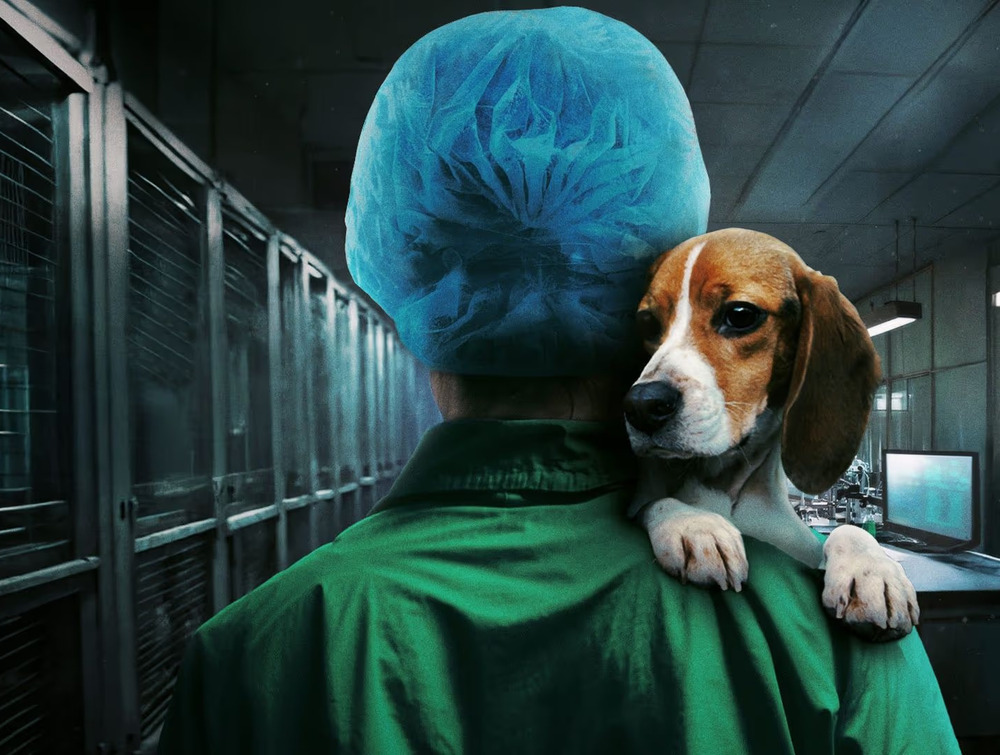

In ‘Undercover. Inside the Bunker,’ a new documentary, an undercover animal rights activist risks everything to reveal animal abuse in pharmaceutical testing lab
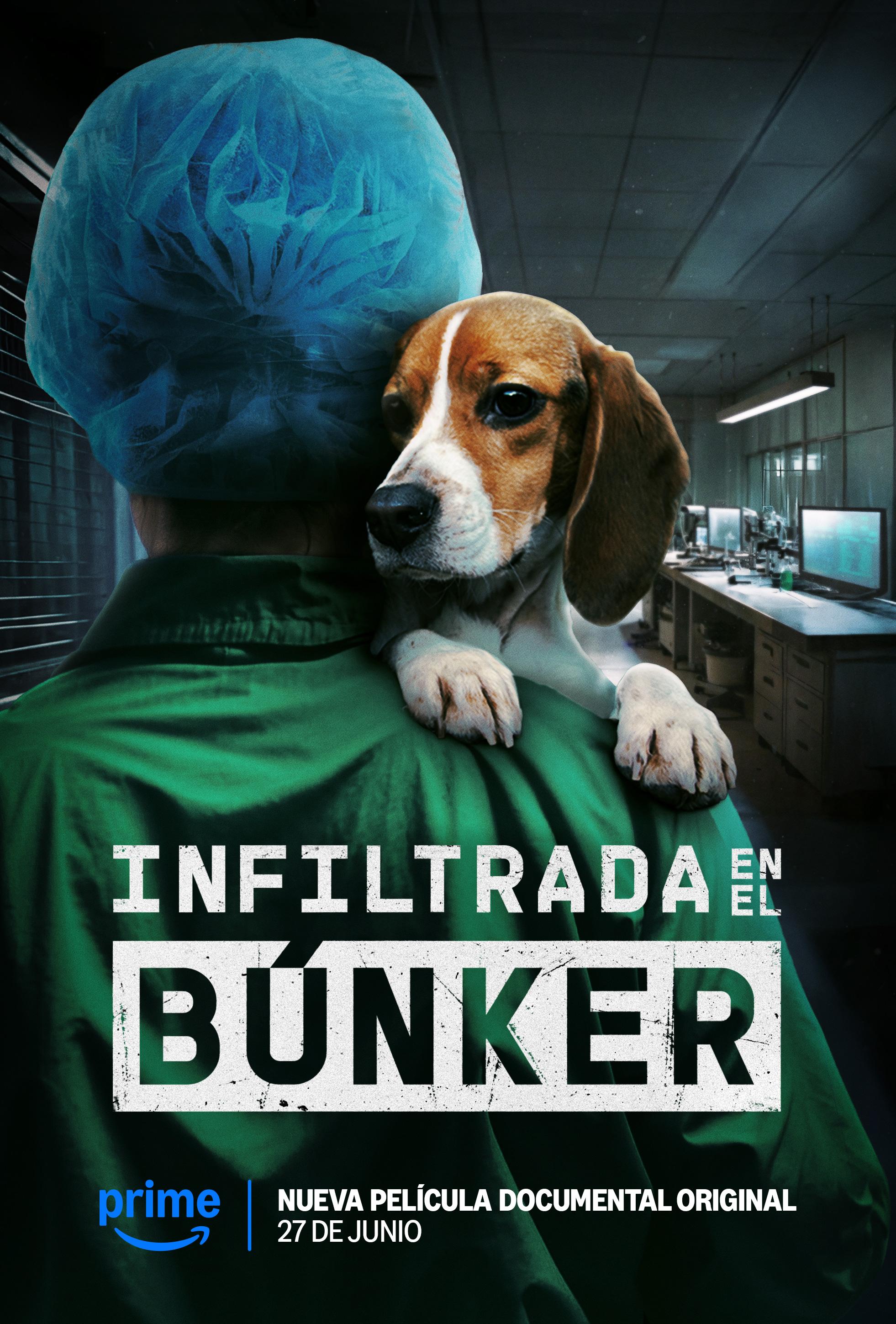
In 2021, footage shot inside Vivotecnia, a Madrid based animal testing lab, exposed ‘gratuitous cruelty’ to the animals held inside. Shot undercover by activist Carlota Saorsa (pseudonym), and released by Cruelty Free International, the footage garnered international media and condemnation. Now a new documentary film, ‘Undercover. Inside the Bunker’, by director Pablo de la Chica, tells Carlotta’s insider story, from animal lover to animal rights campaigner, to her 18-month infiltration in the lab she called “the bunker” and the reality of what she witnessed inside Vivotecnia.
In the film, Saorsa explains how she first became passionate about animal rights. She cites the UK Animal Liberation movement as inspiration and tells the tale of ‘Britches’, the baby macaque who, in 1985, had his eyelids sewn shut and a sonar device attached to his head at the University of California. The research purported to find out how blind infants adapt to sensory loss. Director de la Chica lingers on the footage of Britches so it’s examined, really seen by the viewer, and not turned away from, for Britches’ vulnerability and incalculable suffering reveals that of every other animal, dog, primate, pig, rat, mouse, rabbit, horse, goat, fish and bird experimented on in labs around the world — and there are many, with an estimated 190 million animals used annually. China, Japan, the USA and UK are all in the top ten — India has 2,300 animal experimentation labs.
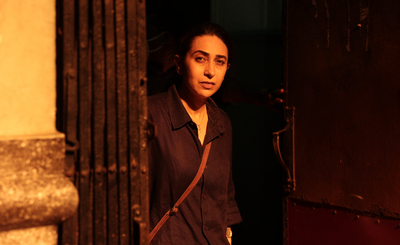
‘Undercover. Inside the Bunker’ uses real footage and a recreation of the director’s 2024 interview with Saorsa as the narrative propeller, here played beautifully by actress Goize Blanco, and the viewer is immersed in her ethically painful journey into deep undercover, from vets’ technician who cleans and feeds the animals, to becoming part of the inner, research team at Vivotecnia. Vivotecnia, a ‘contract testing laboratory’ performs toxicology tests with pharmaceuticals and chemicals on animals prior to human safety tests. Animals are injected with, force-fed or made to inhale increasing amounts of a substance to measure the toxic effects. These can be severe and include vomiting, internal bleeding, respiratory distress, birth defects, organ failure and death.
Captured in hundreds of hours of evidence, her glasses made into a camera, Saorsa recorded the daily violence and widespread suffering within Vivotecnia’s windowless, cage filled walls. A baby monkey held down and slapped in the head, monkeys terrified as their cages are bashed by a broom, a rabbit whose spine is broken and left without sedation for two days, a dog bleeding out, dying in agony: “They didn’t care,” Saorsa says of the staff, who make jokes about gassing rats like Hitler did people. We see animals mocked and taunted, dogs thrown roughly, screaming out, rats writhing in pain, and dogs being ‘gavaged’ — a procedure whereby a tube is forced down the animals’ throat so that chemicals can be inserted. ‘Undercover. Inside the Bunker’ reveals starkly the day-to-day reality for animal held in laboratories.
De la Chica’s film moves like a pacy thriller — the convictions that drive Saorsa to expose the abuse, also exposes her to real danger. If caught undercover she could be sent to prison and the jeopardy is tense. She’s since received death threats and is now a protected witness in a legal case against two individuals at Vivotecnia. We’re brutally confronted not only with the animals’ pain, but with Saorsas, her self-sacrifice in exposing the abuse almost unbearable. She becomes particularly close to one beagle, number 42, and the crescendo of anguish, of inhumanity, is laid bare for the viewer. This made more so by an admission by a researcher that their data is routinely falsified. De la Chica lets that sink in and pauses — the development of a cancer drug for humans based on animal research data that had been faked to look more positive. This isn’t an isolated case, studies reveal that much pre-clinical animal research is conducted with poor adherence to basic scientific principles, leading to inflated claims of effectiveness.
Whilst Vivotecnia is in Spain, animal experimentation is a worldwide industry and the breeding of animals, production of cages and restraints for use in labs is big business. Carlota visits Camp Beagle, the longest running animal rights protest camp situated at MBR Acres, a beagle dog breeding facility in the UK. Campaigners have spent 4 years encamped outside, determined to close down the puppy factory. We hear the puppies screaming, see undercover footage of them locked in windowless, faeces-smeared cages, and now the viewer knows what awaits them. A lucky few were rescued by Animal Rising in 2022 and 18 activists now face court on burglary charges. They plan to “put animal testing on trial” when the case is heard next year.
The inequity is not lost on the viewer then, that whilst Vivotecnia was initially shutdown further to Carlotta’s work, it resumed operations shortly afterwards. No animals were rescued by the authorities. ‘Undercover. Inside the Bunker’ is a visceral, moving, must see film, shining an essential light on animal experimentation. ‘Undercover. Inside the Bunker’ released by Amazon Prime on June 27.
More from Culture





Comments
*Comments will be moderated