








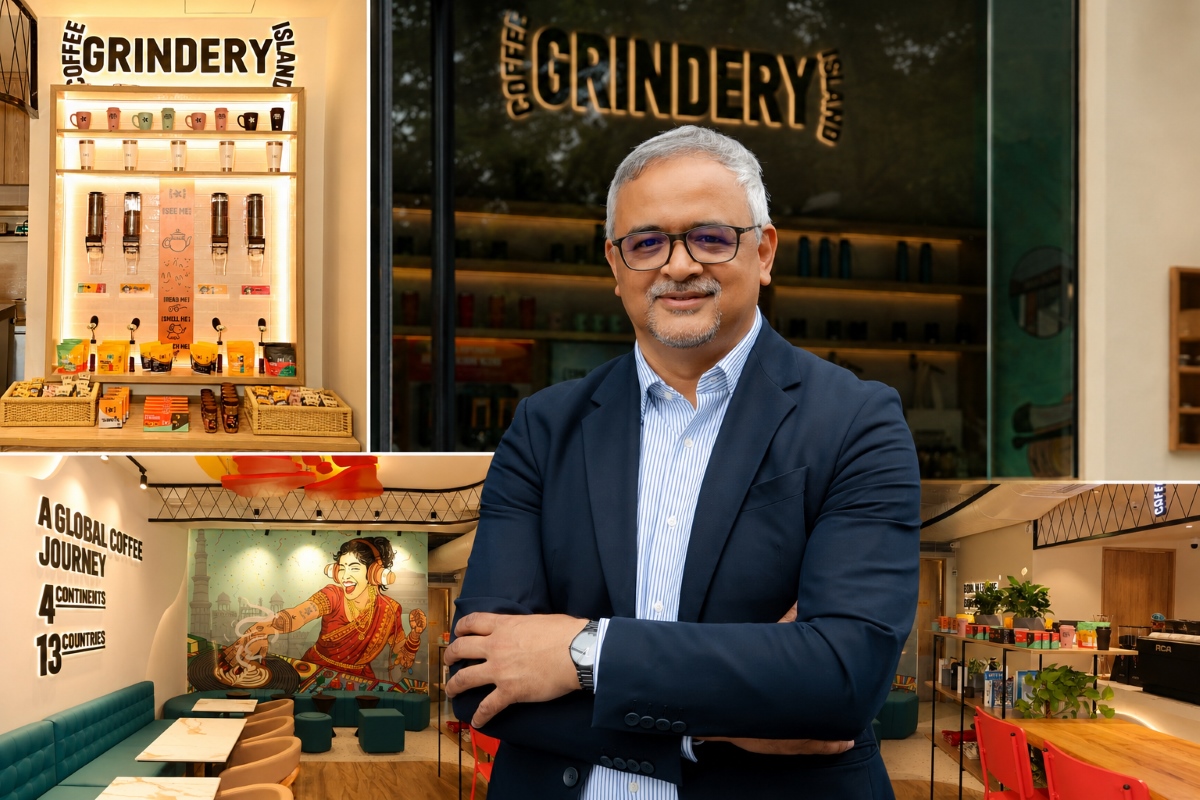
In India, Coffee Island Beyond is being operated by Vita Nova Group, with Amitabh Negi at the helm as CEO. Photos: Coffee Island Beyond
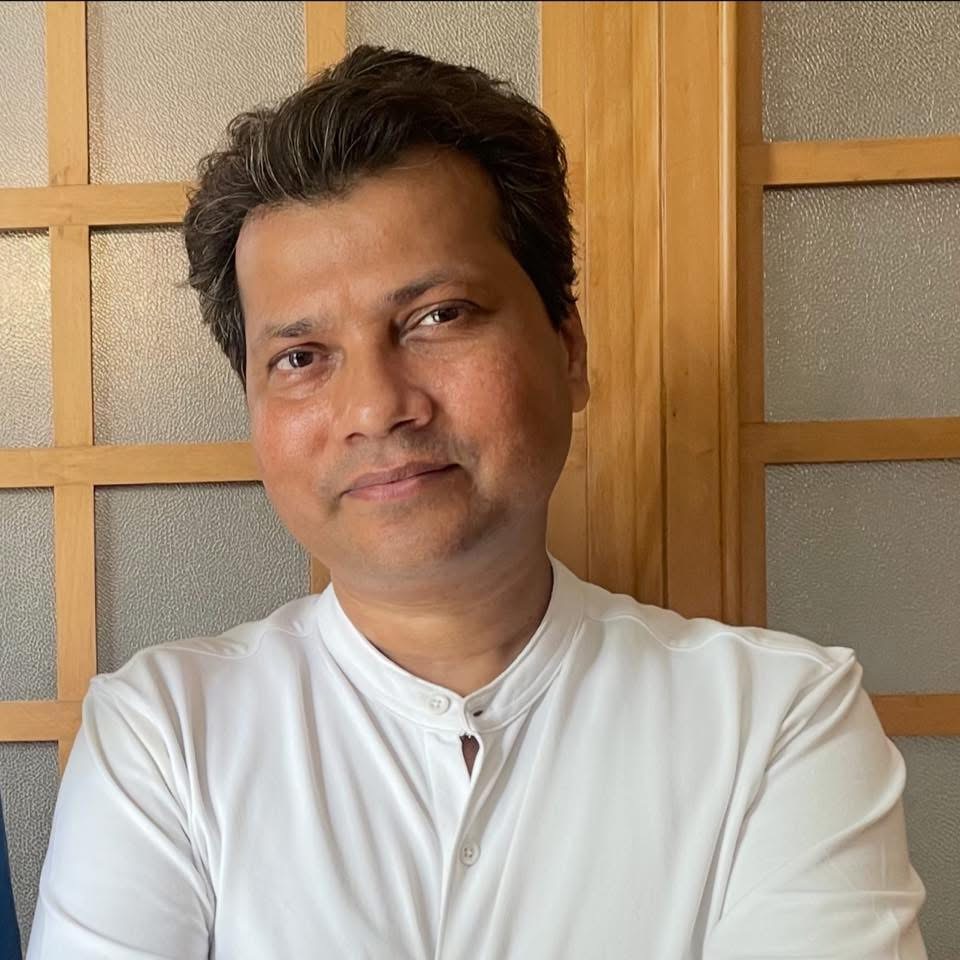
The Vita Nova Group CEO on taking the brand beyond coffee with a new Greek menu, building the 24-hour Coffee Island Beyond format, balancing global identity with Indian tastes, and expanding without losing consistency
There is something immediately cheerful about seeing a proper Greek spread at the table in Delhi: feta scattered generously over tomatoes, crisp pastry giving way to spinach, sesame-crusted bread, warm gyros and, eventually, a plate of sugar-dusted biscuits. At Coffee Island Beyond in Greater Kailash II (New Delhi), the new Greek menu, is an attempt to bring a little of the brand’s home country into the café. The menu has now travelled beyond the GK II flagship to Coffee Island outlets across India, but Beyond remains a particularly good place to experience it if you are anywhere in Delhi because the café is open round the clock, with food playing almost as important a role as coffee.
I began with the Dakos, the Cretan salad that looks deceptively simple until you start eating it. Tomatoes, feta, olives and onion sit over crunchy barley rusk, which slowly absorbs the juices without losing all its bite. It is fresh, sharp and pleasantly messy, with that familiar Greek combination of salt, acidity and good olive-led flavours. If you are used to salads being polite side dishes, this one has enough texture and character to hold its own. It also makes sense as the opening act to a menu that is otherwise quite generous.
The Spanakopita was the dish I relished. Crisp, flaky pastry wrapped around spinach and feta is hardly complicated on paper, but it is one of those combinations where everything depends on balance: the pastry needs to stay light, the filling needs enough salt and richness, and neither should overpower the other. Here, it works as comforting café food without becoming heavy. The Koulouri, another Greek staple, takes things in a more substantial direction. The sesame-covered bread ring is turned into a sandwich, with both vegetarian and chicken versions, layered with cheese, vegetables and sauces. It is familiar enough to appeal instantly, but different enough from the standard café sandwich to make you remember it.
Then there are the gyros, perhaps the easiest gateway into Greek food for anyone encountering the cuisine for the first time. Stuffed generously into pita and served with fries and a cooling dip, they are designed to be eaten with your hands and without too much ceremony. That informality suits Coffee Island Beyond. This is not a place trying to turn Greek food into a formal dining experience; the idea is closer to the everyday food one might pick up, share and return to. It also explains why the menu sits so comfortably alongside coffee rather than feeling like a separate restaurant offering.
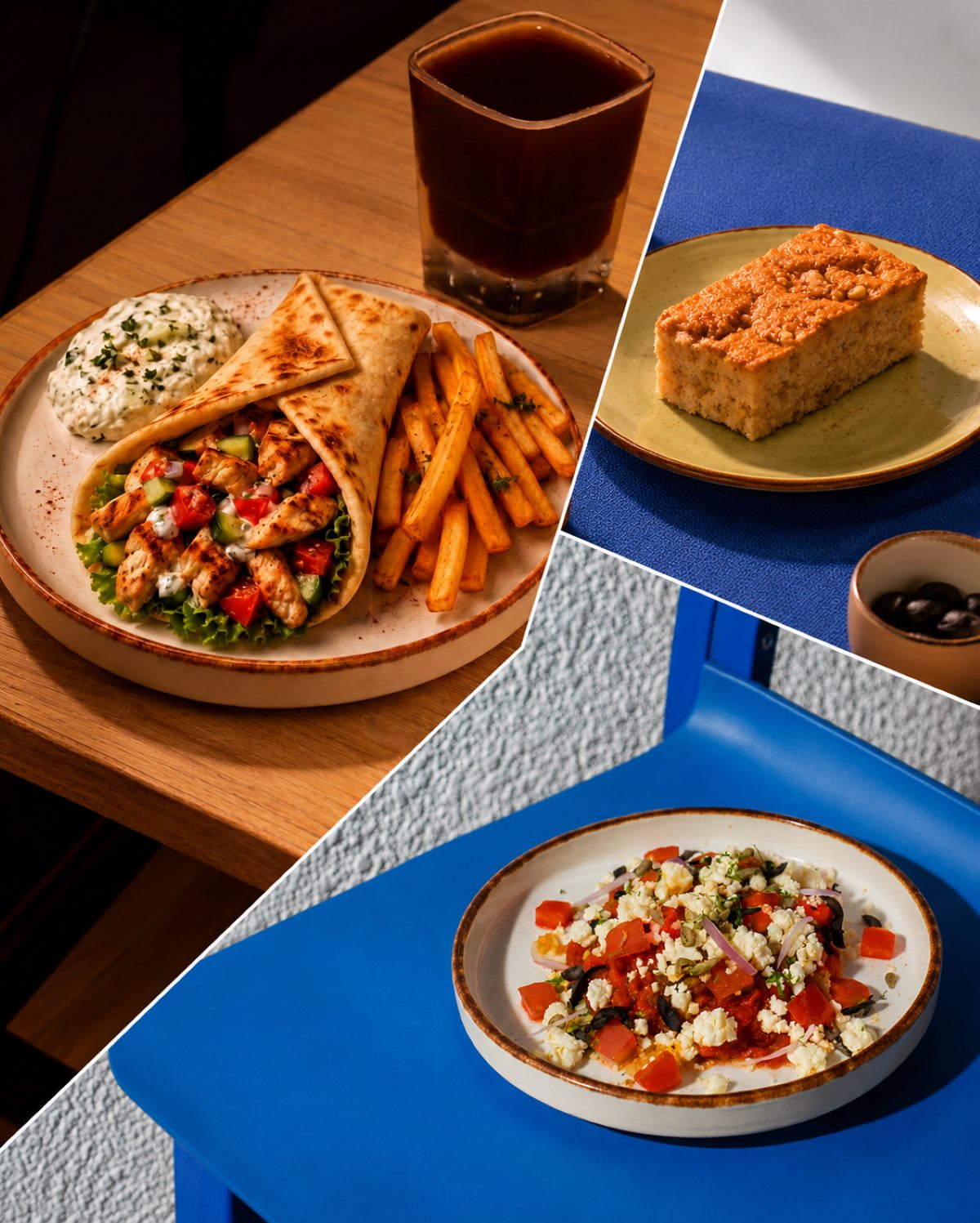
(From left) chicken gyros with fries and tzatziki; karidopita, the traditional Greek walnut cake; and dakos topped with tomatoes, feta, olives and herbs.
Dessert brings another side of Greece to the table. Karidopita, the traditional walnut cake, is dense, nutty and gently spiced, the sort of sweet that works particularly well with coffee. The Kourabiedes, soft, crumbly biscuits buried under a generous dusting of icing sugar, are more delicate and dangerously easy to keep eating. And then, moving away from Greece altogether, there is the Ube Latte — purple, creamy and mildly sweet — which has become one of the more playful additions to the drinks menu. It may not belong to the Greek chapter of the story, but it says something about how Coffee Island is trying to balance its roots with the tastes and curiosity of a younger Indian café audience.
Also read: How Manam Chocolates is rewriting India’s relationship with cacao, one bar and beverage at a time
Coffee Island itself comes to India with a strong Greek identity and a serious specialty-coffee backbone, sourcing beans from several origins and building its offering around a farm-to-cup philosophy. In India, the brand is being operated by Vita Nova Group, with Amitabh Negi at the helm as CEO. Negi has spent years running some of the country’s biggest food-service businesses, including KFC and Pizza Hut, but Coffee Island requires a rather different rhythm: people are not simply coming in, ordering and leaving; they are staying, working, talking, eating and returning. In this conversation with The Punch Magazine, Negi speaks about what it takes to run the 24-hour Beyond format, why food now contributes nearly a third of the brand’s sales, how Greek identity can survive Indian adaptation, and why Coffee Island is choosing to expand carefully rather than simply chase store numbers.
Coffee Island Beyond is clearly meant to be more than a coffee shop: it is open round the clock and has a good food menu. From an operations point of view, what does it take to run this format well through different times of the day without letting either the coffee or the food suffer?
Running an all-day, round-the-clock café is really about having the right systems in place. The coffee and food operations have to work independently but also come together smoothly during busy periods. With our Greek Menu now available across all Coffee Island India outlets, we also have to make sure that the freshness of a dakos salad, for example, is consistent throughout the day. That comes down to preparation, trained teams and clear processes in the kitchen and at the bar.
The important thing for us is that the longer operating hours should not mean any compromise on quality. Whether someone comes in for coffee in the morning, lunch in the afternoon or food late at night, the experience should feel like Coffee Island.
You have spent many years building large restaurant businesses like KFC and Pizza Hut. Coffee, however, is a very different business, where people care about the beans, the barista, the atmosphere, and even how long they can sit in a café. What have you had to unlearn from the QSR (Quick Service Restaurant) world while building Coffee Island Beyond?
The biggest thing we have had to change is our approach to speed. In the QSR business, speed and efficiency are extremely important. In a café, the customer is also coming for the experience. They may want to sit for an hour, speak to the barista, try a different coffee, or simply spend some time there.
So, we have had to look at efficiency differently. It is not about making everything faster; it is about making the experience smooth without taking away from the quality. We have also had to put more emphasis on coffee knowledge, ingredients, and the craft behind what we serve. That has been an interesting shift for us, and one we are continuing to build into the business.
Food now contributes almost 30 per cent of Coffee Island’s sales, which is unusually high for a coffee-led brand. Beyond takes that further with Greek food, all-day dishes and newer drinks such as Ube-based beverages. Does this tell you that the Indian customer ultimately wants a full café experience rather than a specialist coffee shop?
I think the 30% contribution from food reflects how the café experience is evolving in India. Customers today are looking for a more complete experience. They may come in for coffee, but they also want good food, a comfortable space, and the option to spend more time there.
At the same time, Coffee Island is very much a specialty coffee brand, and we take a lot of pride in our coffee. Globally, we offer more than 62 coffee varieties, with beans sourced from origins including Ethiopia, Brazil, Nicaragua, Kenya, Colombia and Peru. Our farm-to-cup approach, coffee sourcing and roasting expertise are an important part of what makes Coffee Island different.
Also read: CHO: Vietnamese Kitchen & Bar: Chef Vaibhav Bhargava takes Delhi on an unforgettable culinary trip
So, for us, food is about complementing that coffee experience. We want customers to be able to enjoy a great cup of specialty coffee with food that is equally well thought through. That is why we are putting as much attention into our food menu, including our Greek dishes and all-day offerings, as we do into our coffee. The idea is to give customers a complete café experience without compromising on what we are fundamentally known for: specialty coffee.
As Coffee Island grows, consistency will become harder. A guest at GK II will expect the same quality of coffee, food, and service at another Beyond outlet. How are you building teams and training systems that can protect that experience as the business expands, especially with a format as broad as Beyond? Which are the cities that are part of the larger rollout?
For us, consistency starts with training and clear operating standards. Whether it is the coffee, food, or service, certain things cannot change from one outlet to another. We have SOPs for everything from preparation of coffee and other beverages, bean dosing, and brewing time, to food preparation and plating. Our baristas and kitchen teams go through structured training, and we also conduct regular checks to make sure these standards are being followed. Our company-owned and company-operated model also gives us greater control over the customer experience as we expand.
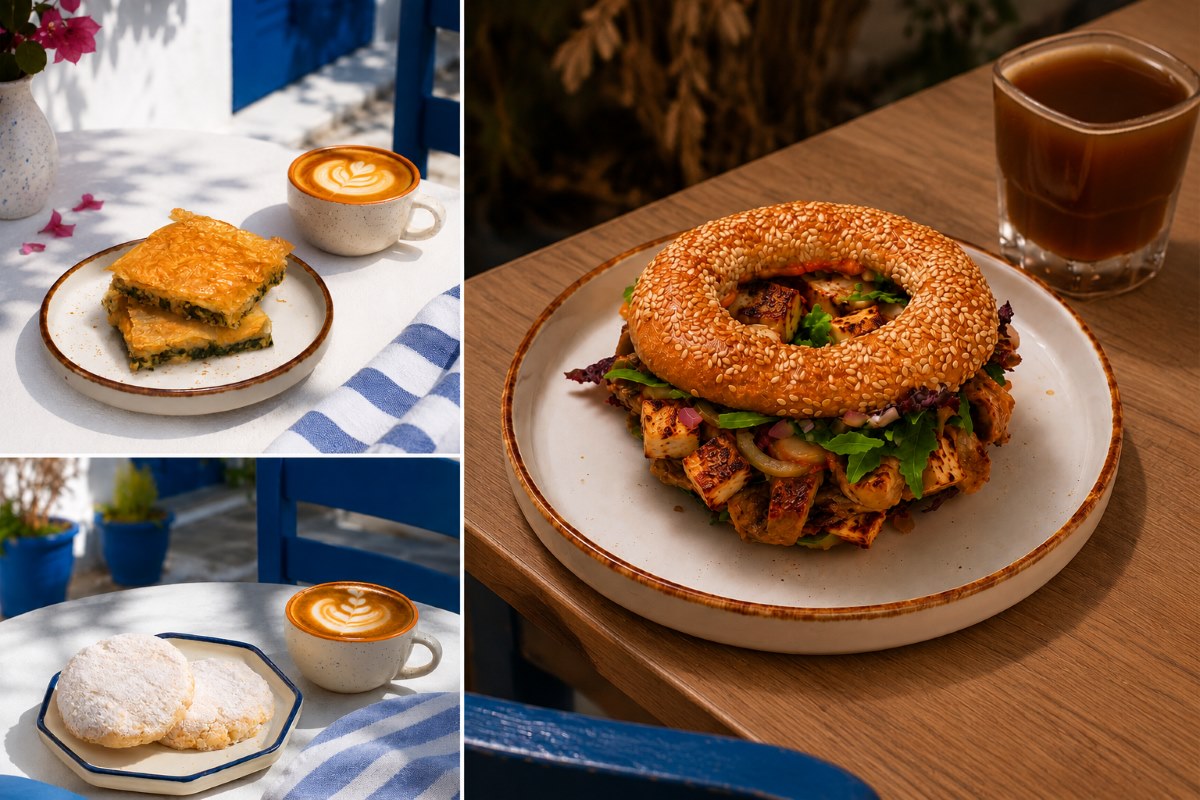
(From left) Spanakopita, a classic Greek savoury pastry made with crisp, golden layers of filo wrapped around a filling of spinach, feta, herbs and seasoning, served with coffee; a sesame-crusted koulouri sandwich, and kourabiedes, the delicate Greek almond biscuits dusted with sugar.
In terms of expansion, we are looking at markets where we are already present and see an opportunity to build the brand further, including Delhi NCR, Mumbai, Pune, Bangalore and Hyderabad. We would rather expand at the right pace than chase a particular store count without having the right infrastructure and teams in place.
You are targeting 50-70 Coffee Island outlets and ₹120-150 crore in revenue over the next two years, while still preferring company-owned stores over franchising. Where does Coffee Island Beyond fit into that plan? Is it a flagship format for select neighbourhoods and malls, or do you believe it can eventually become the main growth format for the brand?
Beyond is best seen as an extension of the Coffee Island experience rather than a separate format that we want to replicate everywhere. Our core café format will continue to be important as we expand, because it allows us to build a presence across different neighbourhoods and markets.
Beyond allows us to go a step further in locations where the market and the customer profile support a larger experience. The longer operating hours, broader food menu and more experiential environment allow us to serve customers across different occasions, from early morning coffee to meals, meetings and late-evening visits.
So, we will be selective about where we take Beyond. We look at the location, customer behaviour, operating requirements and whether the format can deliver a strong experience as well as a sustainable business.
Our approach to expansion is ultimately about building the right format for the right location, rather than trying to make every Coffee Island café look the same. That is how we see Beyond fitting into the larger growth of the brand.
Coffee Island is a ‘frequency brand’, and already 30-35 per cent of monthly sales come from loyalty members. But frequency can easily become dependent on discounts and offers. How do you get people to return several times a week because they genuinely want the coffee, food and space, and at the same time keep the Greek identity of Coffee Island distinctive as you adapt it for India?
We believe loyalty should come from the experience, not just discounts. A meaningful portion of our sales today comes from loyalty customers, which tells us that people are developing a regular relationship with the brand. Our focus is to give them genuine reasons to keep coming back, whether that is the quality of the coffee, the food, the service, or simply the environment. We want Coffee Island to become part of their routine because they enjoy the experience, rather than because there is an offer waiting for them.
As we grow in India, we also don’t want Coffee Island to lose its identity. The Greek heritage, our farm-to-cup approach, and the European café culture are important parts of the brand. We also have to understand the Indian customer and their preferences. So, there will be some adaptation in terms of flavours and products, but the core identity of Coffee Island will remain the same. For us, the balance is about making the brand relevant to the Indian consumer while staying true to what makes Coffee Island a specialty coffee brand.
More from Culture


Comments
*Comments will be moderated