








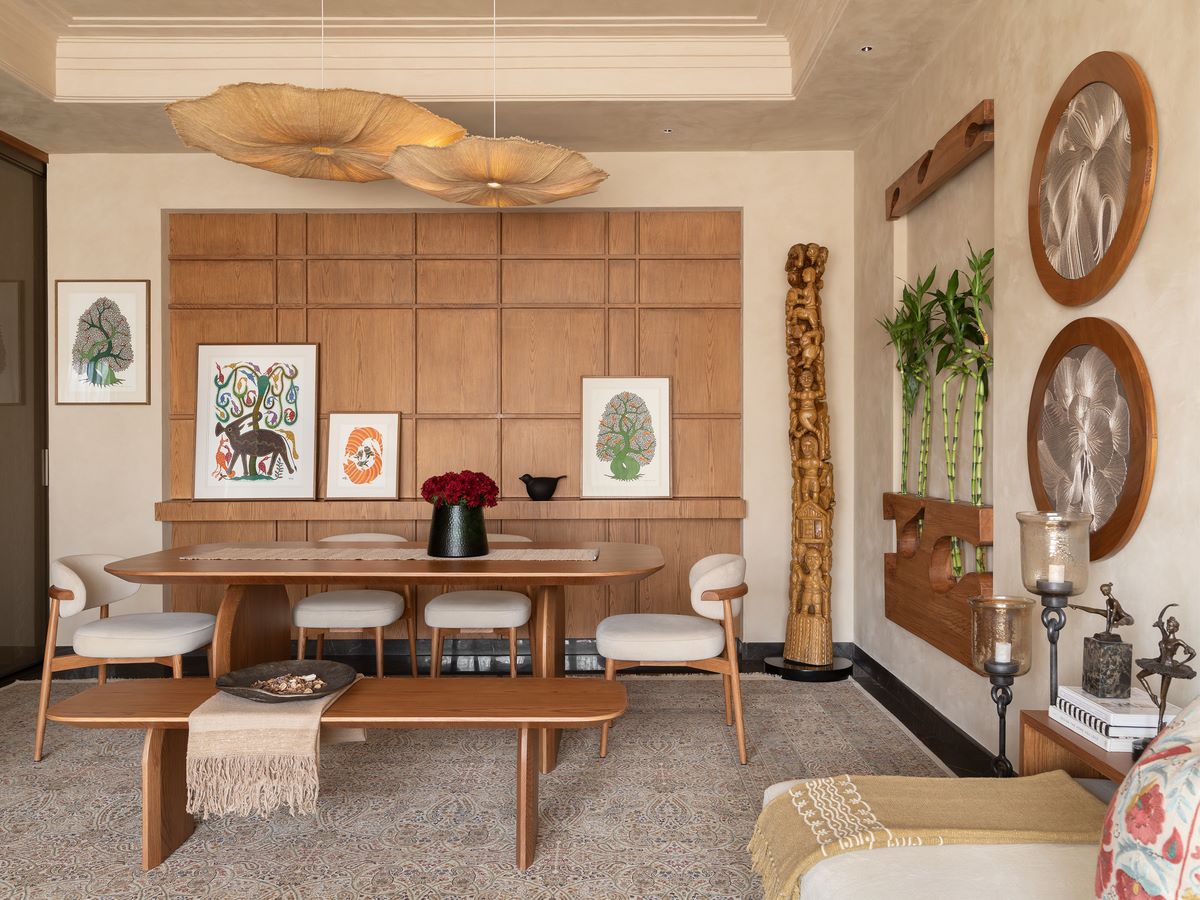
HōmAnAn is not a museum, and it is not a conventional store. It is a styled residence that doubles as a marketplace, grounded in Indian craftsmanship and presented as a coherent home. Photos: HōmAnAn

HōmAnAn has opened a new experiential showcase in South Delhi with an apt and exciting proposition: what if décor were encountered the way it is actually lived with? Not on isolated pedestals or against anonymous white walls, but in rooms that suggest use, proportion and time. Conceived as a multi-brand marketplace, the space brings together around 40 Indian homegrown brands under one roof, arranged as a fully realised residence.
The project is founded and curated by Anubha Laroiya Aneja, whose background spans real estate, hospitality, fashion and luxury over more than 25 years. Her premise is direct: design decisions are better made in context. Instead of browsing catalogues or scanning product displays, visitors move through a 4,000 sq. ft. home where furniture is placed for use, textiles are layered for touch, and lighting is allowed to shift through the day. The house is the display.
HōmAnAn is organised as a sequence of rooms — living area, dining space, bedrooms, transitional corners — each fully styled. There are no freestanding racks or labelled display walls. The opening theme is “The Five Senses.” The idea is not abstract. Textiles are layered so that visitors can feel weave and weight. Lighting is adjusted to show how materials absorb or reflect it. Subtle fragrance circulates through the rooms. Tea is offered in ceramics that are also available for purchase. Aneja explained that she wanted to foreground the belief that design is as much about feeling as it is about form.
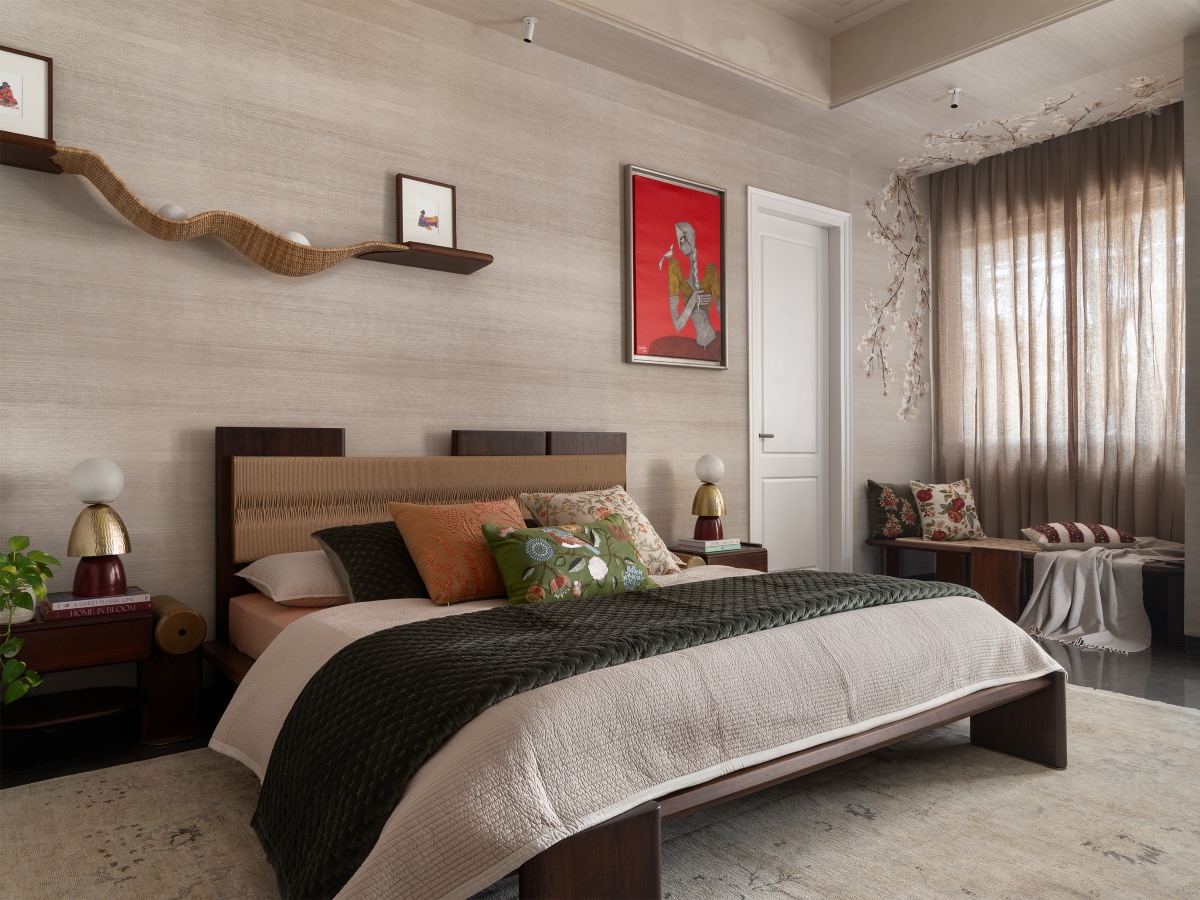
As we moved through the first living space, she pointed out the mix. Established names are here, alongside emerging studios. A hand-embroidered textile from Sarita Handa rests on a contemporary sofa. Sculptural wooden work by Jagdish Sutar is placed near ceramics from Studio Karamica. Rugs, lighting and accessories come from different parts of the country, but they are not segregated by region or craft tradition.
The rooms are not uniform. One bedroom is calm, with pared-back walls and muted textiles. Another is layered, with tactile surfaces and deeper tones. Yet the house reads as a coherent whole. Aneja said she was careful to ensure that cohesion came from sensibility rather than trend. She avoided theme-based styling that would date quickly. In the dining space, tableware from multiple studios is set as though guests are expected. The chairs are placed at practical distances. The lighting is low enough to suggest evening use.
Several of the brands have established reputations in Indian design circles. Oorjaa contributes lighting rooted in craft traditions. Anantaya brings contemporary objects informed by Indian material culture. Blacklines Gallery presents works that anchor certain rooms visually. Alongside them are younger studios building a presence in urban markets.
Aneja described the curation as rigorous. She selects brands based on craftsmanship, design integrity and longevity.
The intention is not to rotate inventory rapidly but to build a stable ecosystem. Heritage labels and newer practices share space without hierarchy. The emphasis is on dialogue between tradition and modernity, rather than on novelty.
Unlike a conventional showroom, there are no product codes visible on the walls. A visitor can request specifications, pricing and lead times, but the first interaction is spatial. You walk. You sit. You observe how light falls on a textured wall finish at different hours. You notice how a rug changes the acoustics of a room.
In one transitional corridor, I paused near a console table. Aneja explained that transitional zones are often neglected in retail displays. Here, they are treated as active parts of the home. Wall finishes, art placement and lighting scale are demonstrated in these narrower spaces, allowing architects and homeowners to study how design decisions translate beyond main rooms.
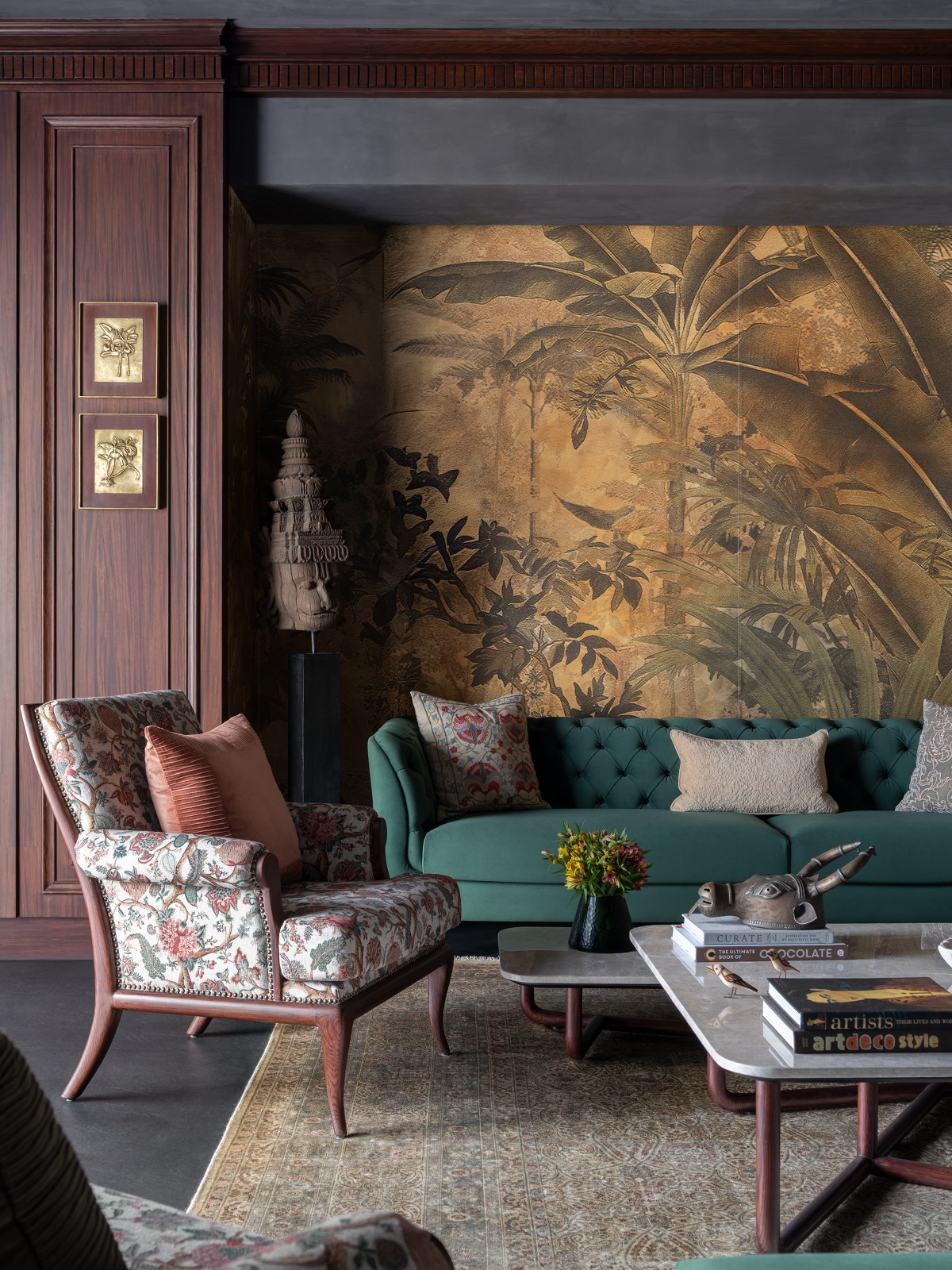
Every piece in the house is available for purchase. That includes furniture, textiles, lighting, carpets, wall finishes, art and small objects. The model positions HōmAnAn as a one-stop retail destination for those looking to furnish or update a home. It also allows professionals to bring clients into a space where combinations have already been tested.
Aneja’s background as a brand consultant is visible in the way the brands are presented. Each has a defined area within a room, yet none are isolated. She said that a home is built through relationships between objects, materials and people. HōmAnAn attempts to demonstrate those relationships before a purchasing decision is made.
The emphasis on context addresses a familiar problem in décor retail. In many stores, products are displayed against neutral backdrops that flatten scale. A sofa can appear smaller or larger than it will in a lived-in room. A textile can seem brighter under commercial lighting than it does in domestic light. By situating pieces within fully realised rooms, HōmAnAn offers a different calibration.
The house also functions as a meeting point. Designers, architects and homeowners can schedule visits. Conversations take place at dining tables or in seating areas rather than at billing counters. The environment is structured but informal. As we completed the tour, I asked Aneja what she hoped visitors would take away. She returned to the senses. She said that when someone chooses a dining table or a rug, they are choosing future experiences around it. Her aim is to let people anticipate those experiences before committing.
In a retail climate increasingly driven by online catalogues and quick scrolls, HōmAnAn proposes a slower encounter. It does not reject digital platforms; brands here maintain their own online presences. But it restores the physical act of moving through a space as part of decision-making.
When I stepped back out into the January afternoon, I realised that I had not once checked my phone inside. The rooms required attention. They were arranged to be inhabited, even briefly. HōmAnAn is not a museum, and it is not a conventional store. It is a styled residence that doubles as a marketplace, grounded in Indian craftsmanship and presented as a coherent home.
For Delhi’s design community, it establishes a new address. For the brands it houses, it provides sustained visibility. For visitors, it offers a practical demonstration: design choices are best understood in rooms that feel complete.
More from Culture





-thumbs.jpg)
Comments
*Comments will be moderated