









Travelling through Japan, you begin to feel as if the country is gently, wordlessly reorienting your gaze. Slowing you down. Asking less of your schedule and more of your senses. Photos courtesy of Sonder

In Japan, sonder is not just an idea. It is a way of being. To travel sondered is to let the world happen to you. Slowly. Soulfully. With grace. And to leave, not just with memories, but with a new way of seeing. Discover immersive journeys into Japan’s inner world at sonderinjapan.com.
There’s a word you won’t find in any standard dictionary. It wasn’t born in an ancient tongue, but in a modern one reaching for the poetic. It is called “Sonder”. Coined by John Koenig in The Dictionary of Obscure Sorrows, it means the sudden realisation that every passerby lives a life as rich, tangled, and layered as your own. It is the sharp, aching awareness that you are not the protagonist of the world, only of your story.
In a world of reels, rapid itineraries and curated selfies, travel is changing. We no longer want to simply consume places, we want to feel seen by them. To be protagonists in our own quiet epics. Sonder, though once a niche term, has been borrowed, bent, and beautifully reimagined across the world of travel. Because we all want that feeling now: of being small, but deeply connected.
In Japan, this feeling is not rare. It is everywhere. In the bow of a shopkeeper. In the silence between two shinkansens. In the reverent hush before a bowl of curry rice is served. Sonder may not be a Japanese word, but it might as well be. Because Japan doesn’t just understand this feeling, it lives it. It wraps it in rituals. Names it in brushstrokes. Draws into Daruma dolls. Builds it into gardens.

You don’t arrive in Japan so much as dissolve into it, like snow on a temple roof.
In many ways, travel itself is changing.
No longer just about escapism or spectacle, it has become something more personal, more intentional. Today, we travel not merely to see the world, but to feel our place within it. We want to be protagonists, not just participants. We want our journeys to mirror something within us: longing, curiosity, stillness. We want travel that reads like a novel we’re inside, not a brochure we skim.
That’s why Sonder has become such a beloved word in the vocabulary of modern travellers. It gives language to a sensation we all crave, to be moved by the lives of others, to feel part of a larger, pulsing human mosaic.
And nowhere does that sensation bloom more quietly, more insistently, than in Japan.
It begins, as all the best things in Japan do, in a whisper.
Not a place, but a pause. A hush between movements. The still breath of a tea house before the kettle sings. The silence in a bamboo grove so complete, it startles. You don’t arrive in Japan so much as dissolve into it, like snow on a temple roof.
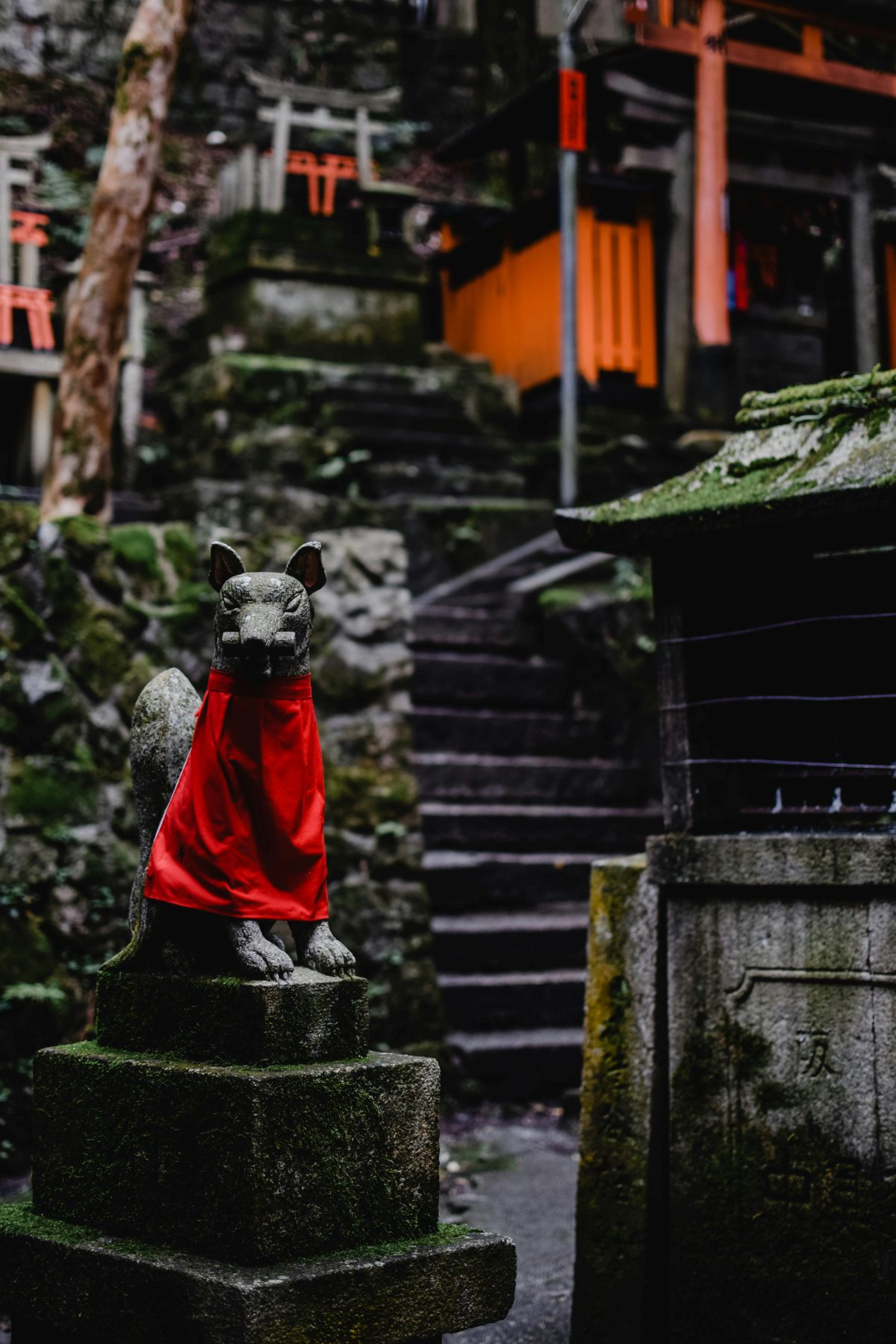
In Japan, how you see is shaped by how you name. And what you name becomes what you notice.
You are here. And you are not the centre.
This is a country that doesn’t need to speak loudly to be heard. Where everyday life is thick with meanings you can almost touch but not quite hold. And it begins with the words. Words that resist translation. Words that unfold like silk. Take Wabi-sabi, for instance, the quiet grace of impermanence, of chipped bowls cured with drops of gold and autumn leaves pressed into books. Beauty not despite decay, but because of it.
Then there’s Mono no aware, the bittersweet awareness of passing things. A cherry blossom caught mid-fall. A geisha, with her elaborate makeup and attire, performing in a tea house, though captivating, is temporary, and her career as a geisha is finite. This ephemeral nature, the awareness of her beauty and skills being both precious and destined to fade evokes mono no aware.
Then there’s a favourite word that’s tossed around by literatis — Komorebi, sunlight filtering through leaves. Not just light, but the feeling of light finding its way through a canopy. A kind of noticing.
These are not just poetic turns of phrase. They are the architecture of perception. The language behind the lens. In Japan, how you see is shaped by how you name. And what you name becomes what you notice.
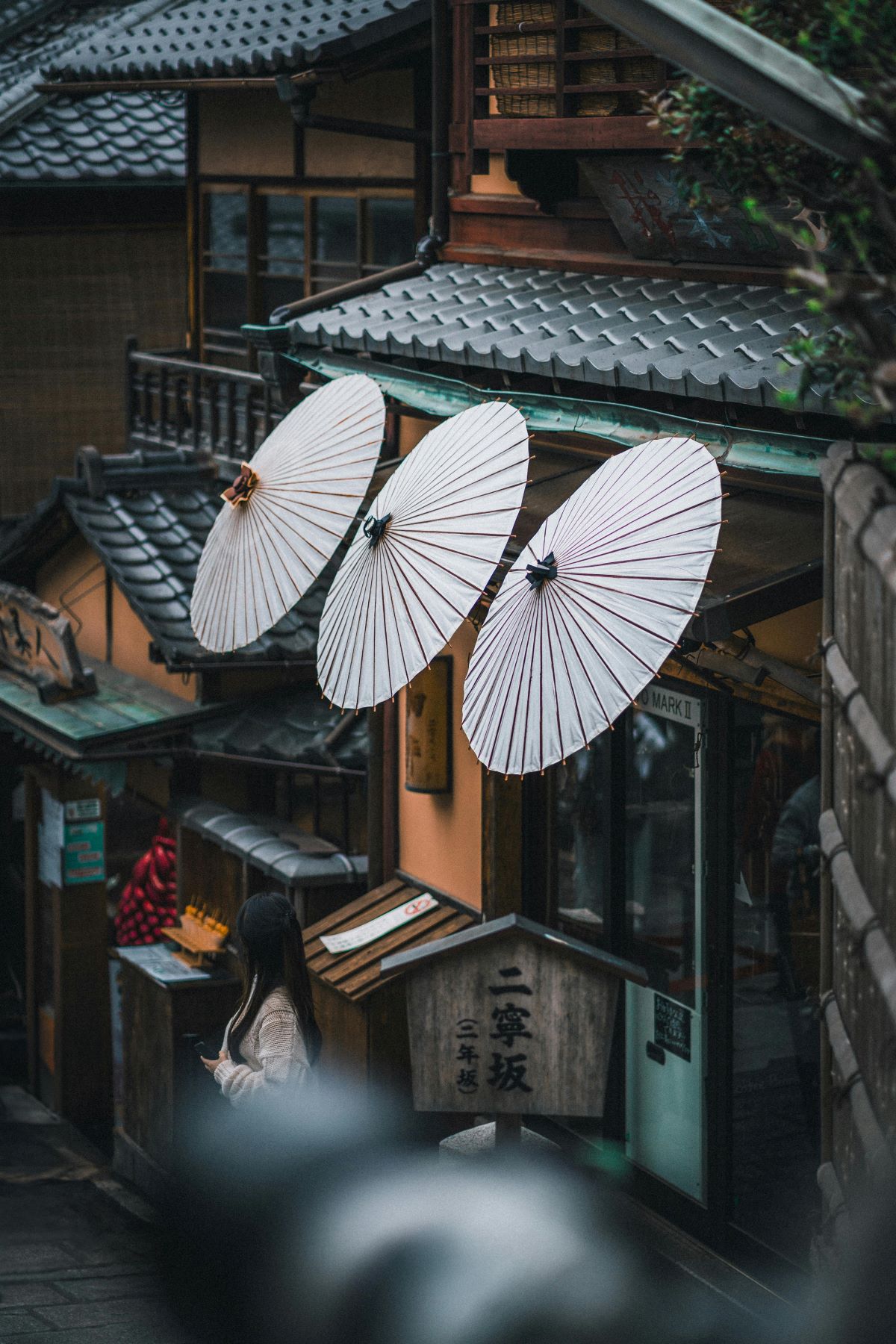
A room is not beautiful because it is full, but because it is spacious. A conversation becomes deep not through words, but through shared silence.
So you begin to notice. Not just the temples and the torii gates, but the gap between them. The softness of “noren” curtains swaying in front of a ramen shop. The way a shopkeeper wraps your purchase as if it were a gift to the world. You notice the in-between. The Ma.
Ma is another of those untranslatables. It is space, but not empty space. It is pause, interval, breath. The silence between notes that gives music its shape. It is what makes things feel alive. A room is not beautiful because it is full, but because it is spacious. A conversation becomes deep not through words, but through shared silence.
Travelling through Japan, you begin to feel as if the country is gently, wordlessly reorienting your gaze. Slowing you down. Asking less of your schedule and more of your senses. You stop planning. You start noticing.
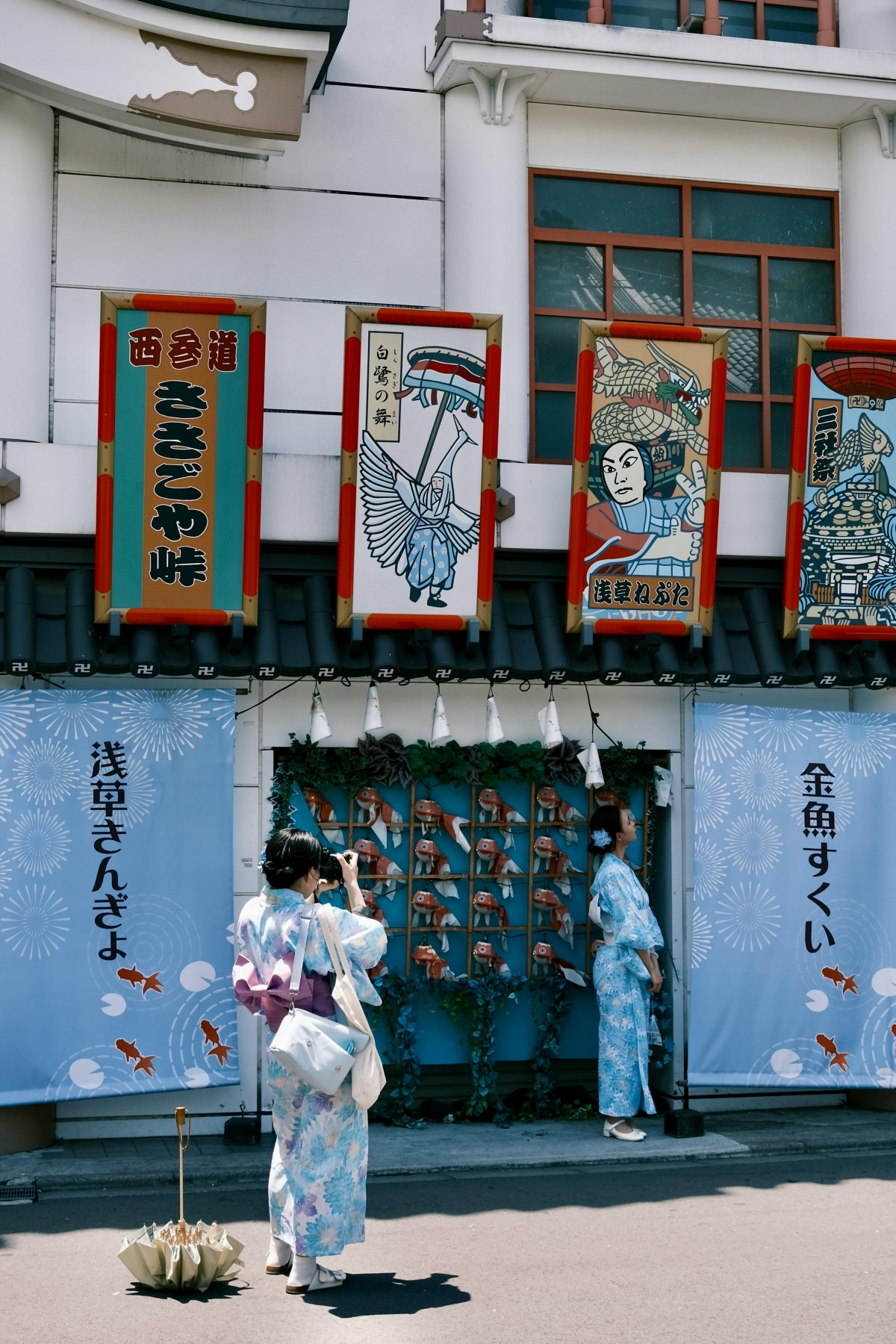
Slowly, something shifts. You stop trying to interpret everything. You let go of understanding and move instead toward attention.
The train station bento with its seasonal vegetables tucked into “kawaai” formations. The old man pruning a bonsai for the fifth hour. The vending machine at the foot of Mount Fuji that sells hot tea, absurd and perfect. The Japanese fixation with their moons. And slowly, something shifts. You stop trying to interpret everything. You let go of understanding and move instead toward attention.
What would it mean to travel like this elsewhere?
Back in India, you begin to recall our own emotional vocabulary, half-lost in the noise. The aching nostalgia of viraha. The stillness of thehrav, where silence holds weight and meaning. The idea that Bollywood has romamticised — that the journey is better than the destination.. Manzil se behtar lagne lage hain ye raaste.. These words are not just poetic, they’re perceptive. They are tools of tuning.
Maybe language doesn’t just describe a place. Maybe it reveals the way a culture feels about its own existence. In Japan, this reveals itself not just in temples or gardens, but in rituals: the way broth for noodles is poured, slippers arranged, greetings bowed. The way even cities hum at a lower frequency, quieter, more aware of each other. To travel here is not to check off sites, but to absorb atmospheres. To feel rooted, fleetingly, in another’s way of life. To forest bathe and let the weight slip off your shoulders and onto the bamboo groves. To walk Kyoto’s alleys at dusk and feel the city exhale. To sip matcha slowly and know it is enough.
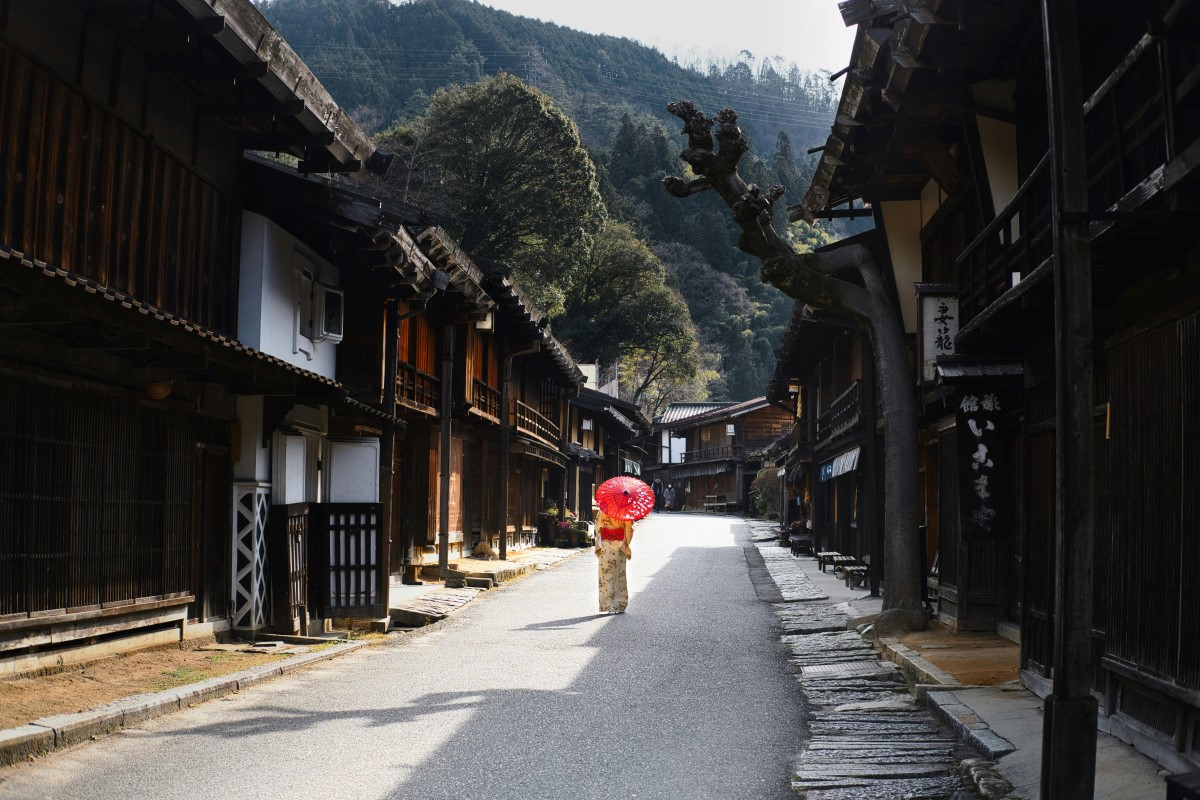
To travel in Japan is not to check off sites, but to absorb atmospheres. To feel rooted, fleetingly, in another’s way of life.
You begin to realise that travel is not movement. It is attention. It is becoming permeable.
And somewhere between the komorebi and the mono no aware, between the clink of teacups and the rustle of shrine paper, you feel it, that soft, glimmering awareness:
That you are a small thread in a vast tapestry. That everyone you pass is living a life as vivid as your own. That beauty lies not in the monumental, but in the meaningful.
This is sonder.
And in Japan, sonder is not just an idea. It is a way of being.
To travel sondered is to let the world happen to you. Slowly. Soulfully. With grace.
And to leave, not just with memories, but with a new way of seeing.
Not as a tourist.
But as a witness.
Present. Small. Connected.
And utterly changed.
Ready to begin? Discover immersive journeys into Japan’s inner world at sonderinjapan.com.
(This is the first part of a series on Sonder, which seeks ‘curated trips to Japan for the quietly curious’)
More from Culture



-thumbs.jpg)

Comments
*Comments will be moderated