








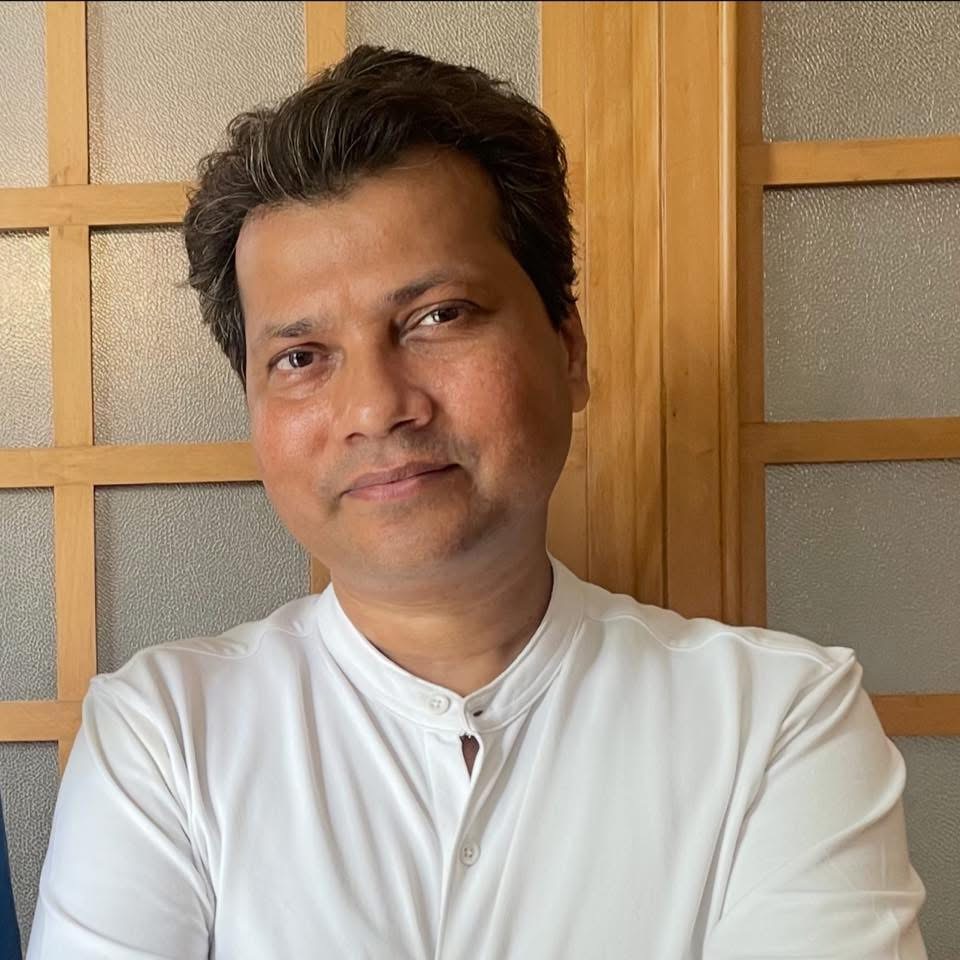
The versatile composer-singer-lyricist opens up about his journey from famous ad jingles to scoring Made in India: A Titan Story, why he thinks AI is an inevitable technological evolution, and why art will always reign above everything else
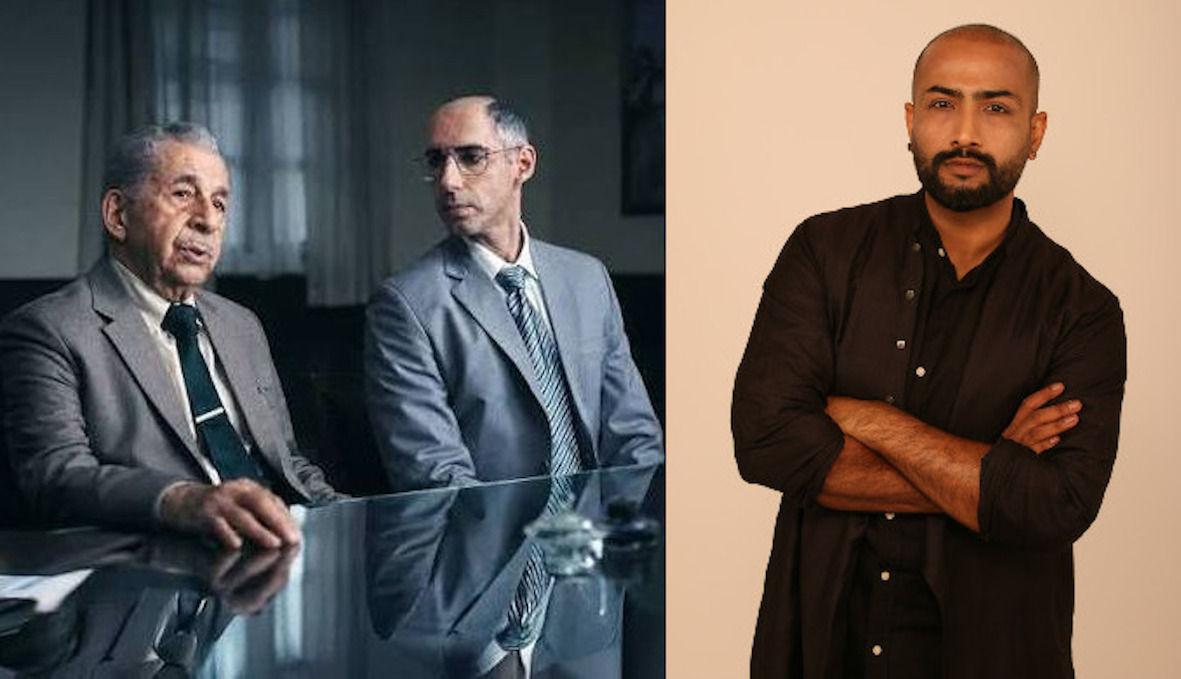
You’ve likely heard Abhishek Nailwal’s voice in your living room for years. Born in the hills of Uttarakhand and raised in an Army family, Abhishek spent years working quietly behind the scenes in Mumbai. You might recognise his voice from famous ad campaigns like Airtel’s ‘Har Ek Friend Zaroori Hota Hai’ or Pepsi’s ‘Youngistaan Meri Jaan,’ or perhaps his work on film soundtracks like Fukrey and Haseen Dillruba. After years of persistence, he has made a mark in the OTT world, earning major award nominations for his work on the spy thriller Mukhbir and, most recently, praise for the emotional hit series, Robbie Grewal’s Made in India: A Titan Story, the six-episode show which chronicles the real-life historical rise of the Tata Group’s Titan Company, and is currently streaming on MX Player.
In this interview to The Punch Magazine, Abhishek breaks down his creative process, explaining how he turns a script’s emotions into music. He talks about why he believes “silence” is just as important as a melody in a background score and shares how his early days in advertising taught him to be quick, adaptable, and instinctual. The conversation also touches on the big shifts in the music world today. Abhishek shares his honest thoughts on how streaming has changed the game, why he isn’t worried about viral trends or “algorithms,” and why he believes the rise of Artificial Intelligence (AI) won’t replace real, human talent. Excerpts:
When you came on board for Made in India: A Titan Story, what was the first feeling you wanted the music to create?
The story is ultimately about human connection. At its core, it follows how the idea of a watch coming to Xerxes Desai (Jim Sarbh) set off a chain of events that led to catalytic changes. That vision naturally pushed the music towards a grand emotional scale. The director and the cast made it very easy for me to connect with the essence of the story. Sometimes, a visionary idea is enough to make you feel deeply invested as an artist. That passion finds its way into every department. The production design, art department and everyone involved have done a phenomenal job, and that sincerity comes through on screen.
For me, the music needed to inspire. It had to bring out the heart of the series and allow audiences to feel the emotional depth of the characters’ journeys. The story itself moves in that direction and it beautifully explores how the human mind works and how human connections unfold in unexpected and wonderful patterns.
The show is about ambition, struggle, rejection and finally success. How did you make sure the music carried these emotions?
Once the main themes of the score are established, the rest becomes a very instinctive process. In this case, the inspiration theme connected to Xerxes became the starting point of the entire musical journey. After that, you are really just reacting to the story. You begin living the characters’ lives in your heart. The more deeply you connect with them, their narratives, their aspirations and their struggles, the more naturally the music begins to flow. The emotions are already there within the story; the music simply becomes a way of expressing them.
In a background score, silence is often as important as music. How do you decide where to use music and where to hold back?
In a background score, silence is often as important as music. How do you decide where to use music and where to hold back?
The script is always the biggest guide. It tells you where you are coming from and where you are headed, and that often dictates whether music should lead, support or step aside. A good example is a sequence in Episode 3, Xerxes entry, there is a sense of anticipation built into the scene from the moment he walks in, and the score gradually amplifies that feeling, evolving with the narrative until it culminates in the reveal of the watch.
The music isn’t simply accompanying the visuals; it’s helping shape the audience’s emotional journey through the sequence. But those decisions are never made in isolation, it is always a collaborative process, guided by the director’s vision and the needs of the story. Ultimately, you are always asking yourself: what part of this sequence are we trying to emphasise? What are the emotional undercurrents beneath the scene? Those are instinctive calls you make as a composer.
You have worked on very different projects — Fukrey, Haseen Dillruba, Mukhbir, Lootcase and now Made in India. How do you change your sound for each story?
I’ve been fortunate to work with some incredible filmmakers and composers over the years. Every story arrives with its own emotional landscape, values and identity. Sometimes the era itself plays a huge role. Mukhbir, for example, was set around 1964-65 and involved a storyline connected to a ghazal artist inspired by Noor Jehan. Naturally, that required a very different musical vocabulary. You have to dive deep into the soul of the characters and understand the palette that belongs to that world.
At times, a contrast can work beautifully, too. That’s the magical part of the process. You feel it in your gut and keep chasing the sound that feels right. If I’m working on Fukrey, the music should transport you to Delhi. With Made in India, the story itself is deeply moving, and the music’s role is to elevate that emotional journey. The more you immerse yourself in a story, the more it tells you what its soundscape should be.
A lot of people have heard your voice in ad jingles like Airtel’s Har Ek Friend Zaroori Hota Hai and Pepsi’s Youngistaan Meri Jaan. What did advertising teach you about making music that people remember?
Advertising taught me to trust my instincts. When you work in ads, you are constantly moving between different genres, emotions and styles. You learn to listen to the creative flow that is coming to you and respond quickly. It teaches you spontaneity and adaptability. In advertising, you have a very short amount of time to create impact. It’s almost like a trust fall. You have to commit completely to an idea and make it memorable within seconds. Some days you receive a very specific brief, while other days there is room for artistic interpretation. That constant challenge sharpens your instincts as a musician.
Today, a lot of music is being made with an eye on reels, hooks and algorithms. Do you worry that the industry is becoming impatient with songs and scores that need time to grow on people?
I don’t worry about it because I see it as a natural progression. Technology evolves, mediums evolve and audience behaviour evolves. Society itself is a living organism. There are always phases and trends. Some people gravitate towards instantly gratifying content, while others take their time with art and music. These things move in cycles. The only thing artists can really do is remain fluid and open within the creative process. Great music will always find its audience, whether immediately or over time.
With Al now entering music, there is a lot of anxiety among composers, singers and producers. As someone who has worked across vocals, production and background score, where do you see the real threat: in technology itself, or in how the industry may use it to cut corners?
The tendency to cut corners has always existed. Anyone who wants to do that will find a way. Technology itself is not a threat. It usually begins with innovation, curiosity and research. The real challenge comes when people are unwilling to adapt. I see AI as part of an inevitable technological evolution. Television changed radio. The internet transformed television. Every era brings a new shift.
The media and entertainment industries are often among the earliest adopters of new technology, so it’s natural that AI is becoming part of the conversation. What excites me is that the future will belong to people doing highly specialised, deeply personal work. AI may eliminate mediocrity, but artistry and craftsmanship remain profoundly human qualities. Art will always reign above everything else.
Streaming has opened up work for many composers, but it has also changed how music is consumed and valued. Has OTT made the composer’s job more exciting? How is it different from composing for a film?
OTT has created a very exciting creative landscape. The sheer variety of stories being told today gives composers opportunities to explore new genres and discover fresh forms of expression. The more stories there are, the more possibilities there are for experimentation. A great example is Scam 1992. Achint’s title theme became such a breakout piece because it was unique, distinctive and perfectly suited to the world of the show. The fundamental composing process remains the same whether it’s a film or a series. The key difference is that a series is episodic. It gives you more room to build themes, develop emotions and evolve the musical narrative over a longer period of time.
Who are some of your own favourite composers working in India today and why?
There are so many composers whose work inspires me. A.R. Rahman sir has been a guiding light for me and for an entire generation of musicians. From the first time I heard Roja to his most recent work, his ability to constantly reinvent himself is extraordinary. Sameer Uddin is another composer I deeply admire. He’s a legend in the advertising world and has created some phenomenal songs and scores. I was fortunate to record my very first advertisement with him, so he has been both a mentor and a friend.
I’m also a huge admirer of Tanuj Tiku and his orchestral work. Shankar–Ehsaan–Loy, Amit Trivedi, Achint and Ram Sampath continue to create music that pushes boundaries. And then there’s Mithoon. His music carries immense depth and soul. His work has always inspired me, and I’ve been fortunate enough to share a stage with him and sing for some of his compositions as well.
Would you like to talk about some of your forthcoming projects? How do you go about choosing a film or an OTT series?
I’m currently working on a fantasy feature film, which has been a lot of fun creatively. I’m also developing a Kumaoni folk EP. Since I come from that region, it’s something very close to my heart. I would love to bring that music to more people while staying true to its roots and spirit. As for choosing projects, I’ve been very fortunate. Most of the time, people who connect with my work find me, and there’s already an alignment in terms of creative vision.
For me, choosing a project is largely a matter of the heart. If something speaks to you, you do it. If you feel a genuine connection to the story, that’s usually enough. And, of course, sometimes you also say yes because you need the work! (laughs) But ideally, every project begins with an emotional connection. That’s what makes the journey worthwhile.
More from Culture


-thumbs.jpg)

Comments
*Comments will be moderated